Math Is Fun Forum
You are not logged in.
- Topics: Active | Unanswered
#2726 2026-03-18 00:04:18
- Jai Ganesh
- Administrator

- Registered: 2005-06-28
- Posts: 53,646
Re: Miscellany
2525) Sulfur Dioxide
Gist
Sulfur dioxide (SO2) is a colorless, pungent, and toxic gas composed of sulfur and oxygen, primarily produced by burning fossil fuels and volcanic activity. It is a major air pollutant known to cause respiratory issues, such as difficulty breathing and asthma exacerbation. Industrially, it is crucial for manufacturing sulfuric acid and used as a preservative in food and wine.
Sulfur dioxide (SO2) is an industrial chemical used primarily as a precursor for sulfuric acid production, a preservative (especially for dried fruits and wine), a bleaching agent in paper/pulp manufacturing, and a disinfectant. It acts as a reducing agent in chemical processes and a refrigerant in industrial cooling systems.
Summary
Sulfur dioxide (SO2), is an inorganic compound, a heavy, colorless, poisonous gas. It is produced in huge quantities in intermediate steps of sulfuric acid manufacture.
Sulfur dioxide has a pungent, irritating odor, familiar as the smell of a just-struck match. Occurring in nature in volcanic gases and in solution in the waters of some warm springs, sulfur dioxide usually is prepared industrially by the burning in air or oxygen of sulfur or such compounds of sulfur as iron pyrite or copper pyrite. Large quantities of sulfur dioxide are formed in the combustion of sulfur-containing fuels.
Sulfur dioxide pollution carries serious health and environmental risks and is one of the six criteria air pollutants regulated by the U.S. Environmental Protection Agency and other regulatory agencies around the world. In the atmosphere sulfur dioxide can combine with water vapor to form sulfuric acid, a major component of acid rain; in the second half of the 20th century, measures to control acid rain were widely adopted. Most of the sulfur dioxide released into the environment comes from coal-fired power plants and petroleum refineries. Paper pulp manufacturing, cement manufacturing, and metal smelting and processing facilities are other important sources.
Sulfur dioxide is a precursor of the trioxide (SO3) used to make sulfuric acid. In the laboratory the gas may be prepared by reducing sulfuric acid (H2SO4) to sulfurous acid (H2SO3), which decomposes into water and sulfur dioxide, or by treating sulfites (salts of sulfurous acid) with strong acids, such as hydrochloric acid, again forming sulfurous acid.
Details
Sulfur dioxide (SO2) is a pungent, toxic gas that is the primary product of burning elemental sulfur. It exists widely in nature, mostly from volcanic activity and burning fossil fuels. It is found elsewhere in the solar system, as a gas in the atmospheres of Venus and Jupiter’s moon Io and as an ice on the other Galilean moons.
The major use of SO2 is in the manufacture of sulfuric acid (H2SO4), the most-produced chemical worldwide. Elemental sulfur and oxygen react to form SO2, which is catalytically oxidized with additional oxygen to make sulfur trioxide (SO3). The SO3 is mixed with existing H2SO4 to produce oleum (fuming sulfuric acid), which is added to water in a strongly exothermic process to make concentrated H2SO4. This is known as the contact process; it dates to an 1831 patent by British inventor Peregrine Phillips.
In chemical laboratories, it has multiple functions, including as a reducing agent, as a reagent in sulfonylation reactions, and as a low-temperature solvent. SO2 is also used to preserve dried fruits such as raisins and prunes and to prevent spoilage in wine.
The hazard information table shows that SO2 is pretty nasty stuff; but, in addition to its value as a chemical, it has another positive side: Volcanoes that emit the gas can have a beneficial effect on climate change. When SO2 spews into the stratosphere, it reacts photochemically with oxygen to form H2SO4 aerosols, which in turn reflect solar radiation and cool the atmosphere. But, as might be expected, even this has a downside because SO2 and H2SO4 contribute to acid rain.
Additional Information:
What Is Sulfur Dioxide?
Sulfur dioxide (SO2) is a gaseous air pollutant composed of sulfur and oxygen. SO2 forms when sulfur-containing fuel such as coal, petroleum oil, or diesel is burned. Sulfur dioxide gas can also change chemically into sulfate particles in the atmosphere, a major part of fine particle pollution, which can blow hundreds of miles away.
What Are the Health Effects of Sulfur Dioxide Pollution?
Sulfur dioxide causes a range of harmful effects on the lungs:
* Wheezing, shortness of breath and chest tightness and other problems, especially during exercise or physical activity. Rapid breathing during exercise helps SO2 reach the lower respiratory tract, as does breathing through the mouth.
* Long-term exposure at high levels increases respiratory symptoms and reduces the ability of the lungs to function.
* Short exposures to peak levels of SO2 in the air can make it difficult for people with asthma to breathe when they are active outdoors.
* Increased risk of hospital admissions or emergency room visits, especially among children, older adults and people with asthma.
What Are the Sources of Sulfur Dioxide Emissions?
As of 2020, human-made sources in the U.S. emit about 1.8 million short tons of sulfur dioxide per year (down from just over 6 million short tons per year in 2011) mainly from burning fuels. Power plants, commercial and institutional boilers, internal combustion engines, manufacturing, and industrial processes such as petroleum refining and metal processing are the largest sources of emissions, followed by diesel engines in old buses and trucks, locomotives, ships, and off-road equipment such as construction vehicles. Emissions of sulfur dioxide will decline as cleanup of many of these sources continue in future years.
Where Do High SO2 Concentrations Occur?
Coal-fired power plants remain one of the biggest sources of sulfur dioxide in the U.S. Columns of emissions (plumes) such as from chimneys of a coal-fired power plant are moved by wind over long distances before touching down at ground level at far away sites. These plumes could also get trapped at the ground level by unusual weather conditions such as a layer of warmer air occurring higher up in the atmosphere (inversion).
Ports, smelters, and other sources of sulfur dioxide also cause high concentrations of emissions nearby.
People who live and work near these large sources get the highest exposure to SO2.
What Can We Do about it?
SO2 levels have improved over time, thanks to policies requiring cleaner fuels and pollution controls on power plants. The nation achieved major reductions in this pollutant through its successful program to reduce acid rain.
However, it remains a health concern. What’s more, even with pollution controls installed, high levels can occur when a polluting source such as a power plant is starting up or shutting down its operation or if its equipment malfunctions.
Individuals can take steps to protect themselves on days with unhealthy levels of air pollutants and also ask policymakers at all levels of government to continue to require cleanup of air pollution.

It appears to me that if one wants to make progress in mathematics, one should study the masters and not the pupils. - Niels Henrik Abel.
Nothing is better than reading and gaining more and more knowledge - Stephen William Hawking.
Offline
#2727 2026-03-19 00:08:34
- Jai Ganesh
- Administrator
- Registered: 2005-06-28
- Posts: 53,646
Re: Miscellany
2526) Potassium Hydroxide
Gist
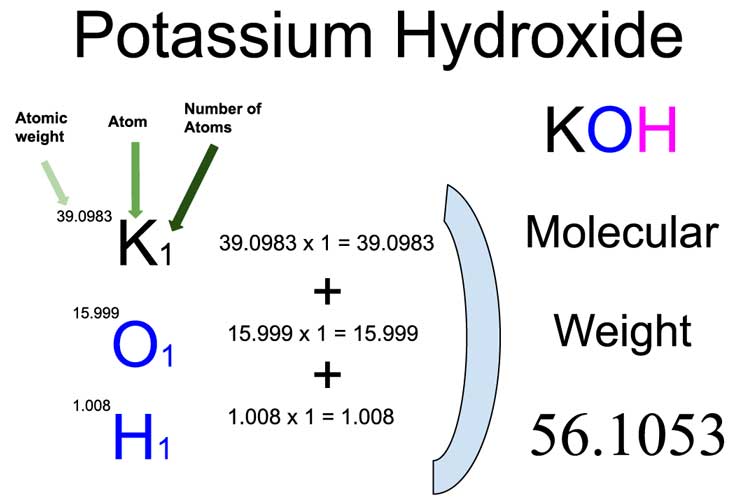
Potassium hydroxide is a disinfectant used to clean hands, skin, and surfaces. Potassium hydroxide, also known as lye is an inorganic compound with the chemical formula KOH. Also commonly referred to as caustic potash, it is a potent base that is marketed in several forms including pellets, flakes, and powders.
Potassium hydroxide is an inorganic compound with the formula KOH, and is commonly called caustic potash. Along with sodium hydroxide, KOH is a prototypical strong base. It has many industrial and niche applications, most of which utilize its caustic nature and its reactivity toward acids.
Summary
Potassium hydroxide is an inorganic compound with the formula KOH, and is commonly called caustic potash.
Along with sodium hydroxide (NaOH), KOH is a prototypical strong base. It has many industrial and niche applications, most of which utilize its caustic nature and its reactivity toward acids. About 2.5 million tonnes were produced in 2023. KOH is noteworthy as the precursor to most soft and liquid soaps, as well as numerous potassium-containing chemicals. It is a white solid that is dangerously corrosive.
Properties and structure
KOH exhibits high thermal stability. Because of this high stability and relatively low melting point, it is often melt-cast as pellets or rods, forms that have low surface area and convenient handling properties. These pellets become tacky in air because KOH is hygroscopic. Most commercial samples are ca. 90% pure, the remainder being water and carbonates. Its dissolution in water is strongly exothermic. Concentrated aqueous solutions are sometimes called potassium lyes. Even at high temperatures, solid KOH does not dehydrate readily.
Details
Potassium hydroxide is also known as caustic potash, lye, and potash lye. This alkali metal hydroxide is a very powerful base. The aqueous form of potassium hydroxide appears as a clear solution. In its solid form, KOH can exist as white to slightly yellow lumps, flakes, pellets, or rods. No characteristic odour can be attributed to this compound in its solid state.
Potassium hydroxide is soluble in water, freely soluble in ethanol, methanol, and glycerin. It is slightly soluble in ether. It is non-combustible but highly corrosive. It is widely used in chemical manufacturing, cleaning compounds, and petroleum refining.
Uses of Potassium Hydroxide
* Potassium hydroxide solution is more conductive when compared to NaOH and therefore used as an electrolyte in some alkaline batteries.
* It is used as a pH control agent in the food industry.
* It is used in the thickening of food.
* It is used in chip fabrication for semiconductors.
* It is used in the manufacturing of cuticle removers which are used in manicure treatment.
* It is used in the identification of species of fungi.
* It is used in mercerizing cotton.
* It is used in alkalimetric titrations in analytical chemistry.
* Used in the manufacturing of liquid fertilisers.
Chemical Reactions Undergone by KOH
1. Saponification of ester
The ester is saponified by heating with a known amount of potassium hydroxide in an organic solvent in a sealed tube. To be useful analytically, this reaction must be quantitative in a reasonable length of time. One condition that favours a rapid and quantitative reaction is the use of KOH as a strong base as possible.
2. KOH reacts with CO2 to produce bicarbonate
The addition of hydroxide ions by adding lime, sodium hydroxide, or potassium hydroxide, adjusts the pH because the hydroxide ion reacts with carbon dioxide to form bicarbonate alkalinity.
Health Hazards of KOH
The health hazards of potassium hydroxide are similar to those of the other strong alkalies, such as sodium hydroxide. Potash lye and its solution can severely irritate skin, mucous membranes, and eyes. When it comes in contact with water or moisture it can generate heat to instigate combustion. Potassium hydroxide is corrosive to tissues.
Frequently Asked Questions – FAQs
Q1: What is potassium hydroxide used for?
A1: Potassium hydroxide, or caustic potash, is used in a wide variety of industries. It is used in the chemical industry, mining, manufacturing of different compounds, fertilisers, in potassium soaps and in detergents.
Q2: What are the dangers of potassium hydroxide?
A2: Causes eye pain, tearing, redness and swelling. Larger exposures cause serious burns with potential subsequent blindness. Chronic exposure: repeated contact with dilute solutions of potassium hydroxide dust has a tissue-destroying effect.
Q3: Is potassium hydroxide a carcinogen?
A3: The National Toxicology Program (NTP), the International Agency for Research on Cancer (IARC), and the Occupational Safety and Health Administration (OSHA) do not recognize potassium hydroxide as a carcinogen. Potassium hydroxide is of low toxicity to marine species.
Q4: What is potassium hydroxide in chemistry?
A4: Potassium hydroxide, also called lye, is an inorganic compound containing the chemical formula KOH. Often commonly called caustic potash, it is a strong base that is sold in different forms including pellets, flakes, and powders.
Q5: What is the pH of KOH?
A5: KOH is an example of a strong base which means that it dissociates completely in an aqueous solution into its ions. Although the pH of KOH or potassium hydroxide is extremely high (typical solutions typically range from 10 to 13), the exact value depends on the concentration of this strong base in water.
Additional Information
Potassium hydroxide (KOH) is an alkali that penetrates and destroys the skin by dissolving keratin. It is used in aqueous solution at concentrations of 5% to 20%, and applied to MC lesions once or twice per day.20,26 In a prospective trial in which 35 children with MC lesions received twice-daily treatments with 10% KOH aqueous solution, complete lesion resolution was observed in 32 of the patients. Applications were discontinued in 3 patients due to severe stinging and secondary infection. The efficacy of KOH has been compared with that of other MC treatments. No significant differences were reported in a trial comparing the efficacy of cryotherapy with that of 10% KOH in solution for the treatment of MC. However, the higher cost and secondary local effects of cryotherapy would tend to favor the use of KOH. Another study found that 10% KOH and 5% imiquimod cream were equally effective, but that KOH had a faster onset of action. Finally, a third study compared 10% KOH administered once per day with salicylic acid and lactic acid in combination, finding they were equally effective in the treatment of MC. Because 10% KOH treatment is noninvasive, efficacious, and can be applied at home, many authors consider it to be the first line of therapy.
MC: Molluscum contagiosum is defined as a contagious viral infection that can manifest on the skin, commonly found on the face in children and on the inner thighs, abdomen, and in adults and athletes.
It appears to me that if one wants to make progress in mathematics, one should study the masters and not the pupils. - Niels Henrik Abel.
Nothing is better than reading and gaining more and more knowledge - Stephen William Hawking.
Offline
#2728 2026-03-20 00:06:35
- Jai Ganesh
- Administrator
- Registered: 2005-06-28
- Posts: 53,646
Re: Miscellany
2527) Ammonium Phosphate
Gist
Ammonium phosphate is a group of water-soluble inorganic salts, commonly (triammonium phosphate), formed by reacting ammonia with phosphoric acid. It is a white, crystalline solid with an ammonia odor, primarily used as a high-nutrient, readily absorbed fertilizer (N-P-K), a fire-extinguishing agent, and in food processing.
Ammonium phosphate, including Monoammonium Phosphate (MAP) and Diammonium Phosphate (DAP), is primarily used as a high-nutrient, water-soluble fertilizer, providing nitrogen and phosphorus for agricultural, forestry, and lawn applications. Key uses also include fire suppression in ABC dry chemical extinguishers, food-grade additives (leavening/yeast nutrition), and industrial applications like fire retardants for wood/paper.
Summary
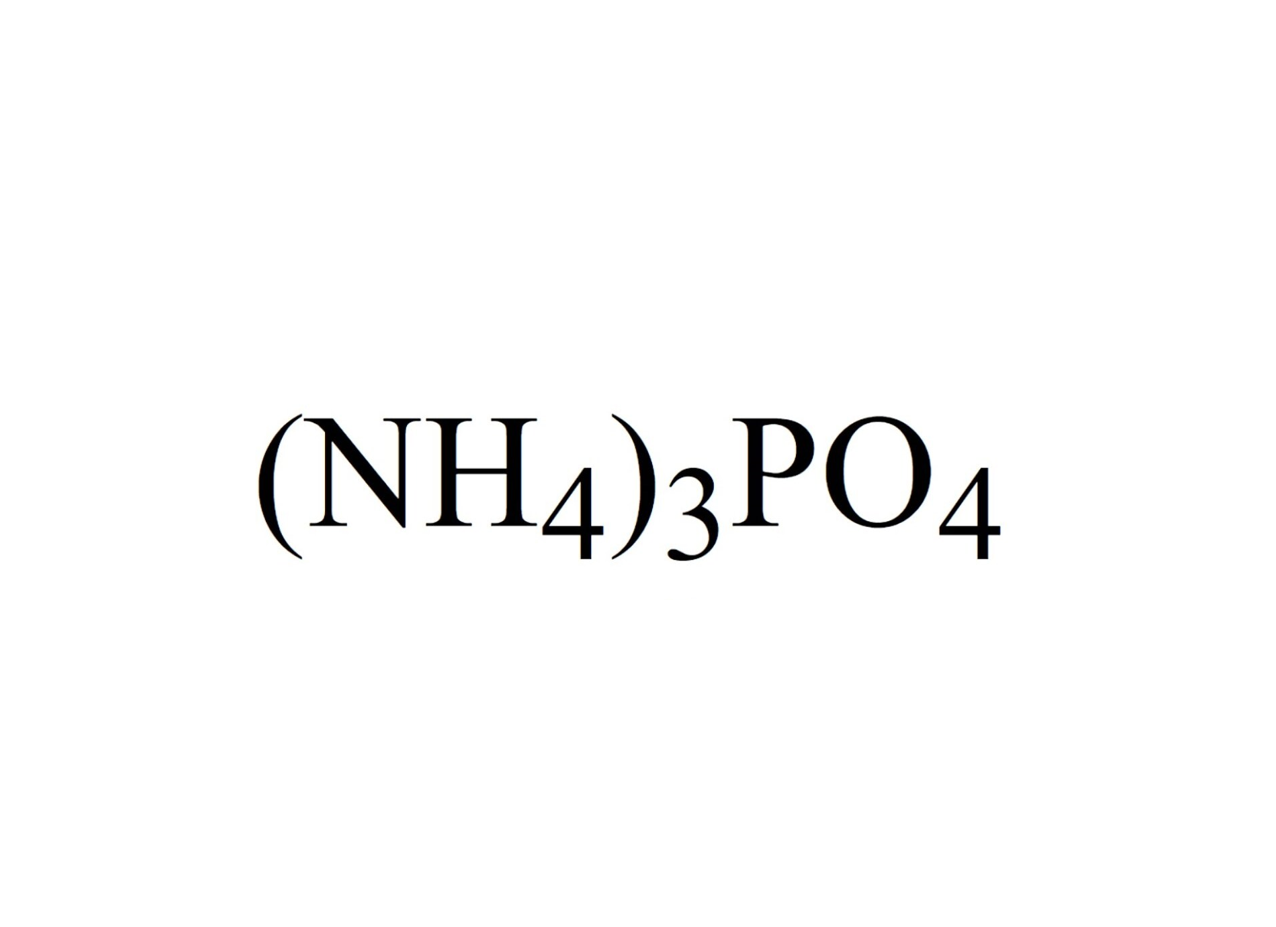
Ammonium phosphate is the inorganic compound with the formula (NH4)3PO4. It is the ammonium salt of orthophosphoric acid. A related double salt, (NH4)3PO4.(NH4)2HPO4 is also recognized but is impractical to use. Both triammonium salts evolve ammonia. In contrast to the unstable nature of the triammonium salts, the diammonium phosphate (NH4)2HPO4 and monoammonium salt (NH4)H2PO4 are stable materials that are commonly used as fertilizers to provide plants with fixed nitrogen and phosphorus.
Details
Ammonium phosphate is an unstable compound made of ammonium and phosphate salt with the chemical formula (NH4)3PO4.
Ammonium phosphate is manufactured by mixing together ammonium phosphate and urea in a molten condition. Considerable heat is generated which transform the ammonium phosphate to the molten state. It includes a group of nitrogen phosphorus materials: mono ammonium phosphates and diammonium phosphates, mixtures of the two or combinations with ammonium nitrate or ammonium sulfate.
Uses of Ammonium phosphate – (NH4)3PO4
* Ammonium phosphate is a broad generic name for a variety of fertilizer materials containing both nitrogen and phosphate.
* Ammonium phosphates are becoming increasingly important as a source of available P2O5. P2O5 is somewhat higher in ammonium phosphates than in triple superphosphate.
* Mainly used as a solid fertilizer but can also be utilized in solution.
* Used as components of intumescent paints and mastics where they function as an acid catalyst.
* Used in paints in which pentaerythritol is the carbonific component and melamine is the specific compound.
Frequently Asked Questions – FAQs
Q1: What is ammonium phosphate used for?
A1: Ammonium phosphate is a high source of elemental nitrogen used as an ingredient in certain fertilizers. This is also used in thermoplastic formulations as a flame retardant.
Q2: What is ammonium phosphate fertilizer?
AmmA2: onium phosphate adds nitrogen and phosphates to the lawns which lack the nutrients. Ammonium phosphate is a fast-release fertilizer that can be used for new grass planting, cleaning, monitoring, or lawn renovation.
Q3: What’s the difference between ammonia and ammonium?
A3: Ammonia contains one nitrogen and three hydrogens opposed to one nitrogen and four hydrogens formed by ammonium. Ammonia is a low, unionized foundation. In the other side, it is ionized to ammonium. Some major distinctions between the two is that Ammonia gives off a heavy odour while Ammonium does not smell at all.
Q4: Is ammonium phosphate an acid?
A4: Ammonium phosphate is an orthophosphoric acid ammonium salt. Formula (NH4)3PO4 is a highly unstable compound. It is elusive, and of little economic interest due to its uncertainty.
Q5: Why is ammonium phosphate soluble in water?
A5: It is soluble in water, and ammonia loses and the acid phosphate (NH4)(H2PO4) is formed as the aqueous solution on the boil. Ammonium phosphate is a high source of elemental nitrogen used as an ingredient in certain fertilizers. This is also used in thermoplastic formulations as a flame retardant.
Additional Information:
Key Properties and Everyday Uses of Ammonium Phosphate
Ammonium phosphate is a salt that is made up of ammonia and phosphorus, and its chemical formula is (NH4)3PO4. However, this is a very unstable salt and due to how unstable it is, it is not exactly a salt worth a lot of commercial value. It can be formed by combining phosphoric acid along with ammonia, or by adding a lot more ammonia with acid phosphate.
For it to be used commercially, it is mostly obtained from crystalline powders.
Major Uses of Ammonium Phosphate:
* Agriculture & Fertilizer: High-concentration, soluble fertilizers (MAP/DAP) provide quick nutrients to plants and are used in foliar feeding and irrigation.
* Fire Retardant & Extinguisher: Used as an ingredient in dry chemical powder extinguishers and in flame-retardant coatings for materials like paper and wood.
* Food Industry: Functions as a leavening agent in baking powders and as a dough conditioner, as well as a yeast nutrient for wine production.
* Industrial Applications: Acts as a fluxing agent in soldering, in the production of intumescent paints, and as a raw material for producing electronics such as piezo-electric crystals.
* Water Treatment: Sometimes used in pH regulation to assist with ammonia removal.
Key Types:
* MAP (Monoammonium Phosphate): Often used for direct soil application, it is highly soluble.
* DAP (Diammonium Phosphate): Widely used for its high nitrogen and phosphorus content.
The Formula of Ammonium Phosphate
The molecular formula for this salt is (NH4)3PO4 and it is also referred to as triammonium phosphate or diazonium hydrogen phosphate.
It appears to me that if one wants to make progress in mathematics, one should study the masters and not the pupils. - Niels Henrik Abel.
Nothing is better than reading and gaining more and more knowledge - Stephen William Hawking.
Offline
#2729 2026-03-21 00:46:01
- Jai Ganesh
- Administrator
- Registered: 2005-06-28
- Posts: 53,646
Re: Miscellany
2528) MASER
Gist
A maser (Microwave Amplification by Stimulated Emission of Radiation) is a device that produces coherent, highly focused electromagnetic waves in the microwave spectrum. Invented in the 1950s, it works by stimulating atoms to emit energy, often used for low-noise amplification in radio telescopes, atomic clocks, and satellite communications.
Masers (Microwave Amplification by Stimulated Emission of Radiation) produce coherent, low-noise microwave signals used for precise timekeeping in atomic clocks, deep-space communication, and high-sensitivity radio astronomy. They are essential for tracking spacecraft, studying interstellar molecular clouds, and providing stable frequency standards for radar.
Summary
A maser is a device that produces coherent electromagnetic waves (microwaves), through amplification by stimulated emission. The term is an acronym for microwave amplification by stimulated emission of radiation. Nikolay Basov, Alexander Prokhorov and Joseph Weber introduced the concept of the maser in 1952, and Charles H. Townes, James P. Gordon, and Herbert J. Zeiger built the first maser at Columbia University in 1953. Townes, Basov and Prokhorov won the 1964 Nobel Prize in Physics for theoretical work leading to the maser. Masers are used as timekeeping devices in atomic clocks, and as extremely low-noise microwave amplifiers in radio telescopes and deep-space spacecraft communication ground-stations.
Modern masers can be designed to generate electromagnetic waves at microwave frequencies and radio and infrared frequencies. For this reason, Townes suggested replacing "microwave" with "molecular" as the first word in the acronym "maser".
The laser works by the same principle as the maser, but produces higher-frequency coherent radiation at visible wavelengths. The maser was the precursor to the laser, inspiring theoretical work by Townes and Arthur Leonard Schawlow that led to the invention of the laser in 1960 by Theodore Maiman. When the coherent optical oscillator was first imagined in 1957, it was originally called the "optical maser". This was ultimately changed to laser, for "light amplification by stimulated emission of radiation". Gordon Gould is credited with creating this acronym in 1957.
Details
A maser is a device that produces and amplifies electromagnetic radiation in the microwave range of the spectrum. The first maser was built by the American physicist Charles H. Townes. Its name is an acronym for “microwave amplification by stimulated emission of radiation.” The wavelength produced by a maser is so constant and reproducible that it can be used to control a clock that will gain or lose no more than a second over hundreds of years. Masers have been used to amplify faint signals returned from radar and communications satellites, and have made it possible to measure faint radio waves emitted by Venus, giving an indication of the planet’s temperature. The maser was the principal precursor of the laser.
A maser oscillator requires a source of excited atoms or molecules and a resonator to store their radiation. The excitation must force more atoms or molecules into the upper energy level than in the lower, in order for amplification by stimulated emission to predominate over absorption. For wavelengths of a few millimetres or longer, the resonator can be a metal box whose dimensions are chosen so that only one of its modes of oscillation coincides with the frequency emitted by the atoms; that is, the box is resonant at the particular frequency, much as a kettle drum is resonant at some particular audio frequency. The losses of such a resonator can be made quite small, so that radiation can be stored long enough to stimulate emission from successive atoms as they are excited. Thus, all the atoms are forced to emit in such a way as to augment this stored wave. Output is obtained by allowing some radiation to escape through a small hole in the resonator.
The first maser used a beam of ammonia molecules that passed along the axis of a cylindrical cage of metal rods, with alternate rods having positive and negative electric charge. The nonuniform electric field from the rods sorted out the excited from the unexcited molecules, focusing the excited molecules through a small hole into the resonator. The output was less than one microwatt (10-6 watt) of power, but the wavelength, being determined primarily by the ammonia molecules, was so constant and reproducible that it could be used to control a clock that would gain or lose no more than a second in several hundred years. This maser can also be used as a microwave amplifier. Maser amplifiers have the advantage that they are much quieter than those that use vacuum tubes or transistors; that is, they add very little noise to the signal being amplified. Very weak signals can thus be utilized. The ammonia maser amplifies only a very narrow band of frequencies and is not tunable, however, so that it has largely been superseded by other kinds, such as solid-state ruby masers.
Solid-state and traveling-wave masers
Amplification of radio waves over a wide band of frequencies can be obtained in several kinds of solid-state masers, most commonly crystals such as ruby at low temperatures. Suitable materials contain ions (atoms with an electrical charge) whose energy levels can be shifted by a magnetic field so as to tune the substance to amplify the desired frequency. If the ions have three or more energy levels suitably spaced, they can be raised to one of the higher levels by absorbing radio waves of the proper frequency.
The amplifying crystal may be operated in a resonator that, as in the ammonia maser, stores the wave and so gives it more time to interact with the amplifying medium. A large amplifying bandwidth and easier tunability are obtained with traveling-wave masers. In these, a rod of a suitable crystal, such as ruby, is positioned inside a wave-guide structure that is designed to cause the wave to travel relatively slowly through the crystal.
Solid masers have been used to amplify the faint signals returned from such distant targets as satellites in radar and communications. Their sensitivity is especially important for such applications because signals coming from space are usually very weak. Moreover, there is little interfering background noise when a directional antenna is pointed at the sky, and the highest sensitivity can be used. In radio astronomy, masers made possible the measurement of the faint radio waves emitted by the planet Venus, giving the first indication of its temperature.
Gas masers
Generation of radio waves by stimulated emission of radiation has been achieved in several gases in addition to ammonia. Hydrogen cyanide molecules have been used to produce a wavelength of 3.34 mm. Like the ammonia maser, this maser uses electric fields to select the excited molecules.
One of the best fundamental standards of frequency or time is the atomic hydrogen maser introduced by American scientists N.F. Ramsey, H.M. Goldenberg, and D. Kleppner in 1960. Its output is a radio wave whose frequency of 1,420,405,751.786 hertz (cycles per second) is reproducible with an accuracy of one part in 30 × 1012. A clock controlled by such a maser would not get out of step more than one second in 100,000 years.
In the hydrogen maser, hydrogen atoms are produced in a discharge and, like the molecules of the ammonia maser, are formed into a beam from which those in excited states are selected and admitted to a resonator. To improve the accuracy, the resonance of each atom is examined over a relatively long time. This is done by using a very large resonator containing a storage bulb. The walls of the bulb are coated so that the atoms can bounce repeatedly against the walls with little disturbance of their frequency.
Another maser standard of frequency or time uses vapour of the element rubidium at a low pressure, contained in a transparent cell. When the rubidium is illuminated by suitably filtered light from a rubidium lamp, the atoms are excited to emit a frequency of 6.835 gigahertz (6.835 × 10⁹ hertz). As the cell is enclosed in a cavity resonator with openings for the pumping light, emission of radio waves from these excited atoms is stimulated.
Additional Information
MASER stands for Microwave Amplification by Stimulation Emission of Radiation. A LASER is a MASER that works with higher frequency photons in the ultraviolet or visible light spectrum (photons are bundles of electromagnetic energy commonly thought of as "rays of light" which travel in oscillating waves of various wavelengths) .
The first papers about the MASER were published in 1954 as a result of investigations carried out simultaneously and independently by Charles Townes and co-workers at Columbia University in New York and by Dr. Basov and Dr. Prochorov at the Lebedev Institute in Moscow. All three of these gentlemen received the Nobel Prize in 1964 for their contributions to science.
[The following was paraphrased in part from Halliday & Resnick's "Fundamentals of Physics", second edition.]
The fundamental physical principle motivating the MASER is the concept of stimulated emission, first introduced by Einstein in 1917. Before defining it we look at two related but more familiar phenomena involving the interplay between matter and radiation, absorption and spontaneous emission.
* Absorption. According to quantum mechanics, absorption of photons by atoms occurs only if the wavelength of the photon is just the right size (say, of wavelength l). If it is, the atom will "absorb" it (the photon vanishes) and go to a higher energy state. In physics, this process is called "absorption."
* Spontaneous Emission. Atoms don't like to stay in high energy states (this is dictated by the laws of thermodynamics), so after absorbing a photon and going to a higher energy state, they will move of their own accord to a lower energy state, emitting a photon in the process. This is called "spontaneous emission" because no outside influence triggers the emission. Normally the average lifetime for spontaneous emissions by excited atoms is around 10-8 seconds (that is, the atom or molecule will usually take around 10-8 seconds before emitting the photon). Occasionally, however, there are states for which the lifetime is much longer, perhaps around 10-3 seconds. These states are called metastable. Metastable emission levels are essential for a working MASER and will be discussed further in a moment.
Now that we've discussed absorption and spontaneous emission, we can get to stimulated emission (a MASER beam is made up entirely of stimulated emission).
* Stimulated Emission. With stimulated emission, a photon of the absorption wavelength, l , is fired at an atom already in its high energy state from prior absorption. The atom absorbs this photon, and then quickly emits two photons to get back to its lower energy state. Thanks to quantum mechanics, both of these newly emitted photons are of wavelength l! The following figure displays this concept in detail:
* MASER. In each frame, a molecule in the upper level of the MASER transition (that is, in the high energy, excited state) is indicated by a large red circle, while one in the lower level (low energy state) is indicated by a small blue circle. (a) All of the molecules are in the upper state and a photon of wavelength l (shown in green) is incident from the left. (b) The photon l stimulates emission from the first molecule, so there are now two photons of wavelength l, in phase. (c) These photons stimulate emission from the next two molecules, resulting in four photons of wavelength l. (d) The process continues with another doubling of the number of photons.
Basically, a man-made MASER is a device that sets up a series of atoms or molecules and excites them to generate the chain reaction, or amplification, of photons. Metastable emission states make MASERs and LASERs possible. To get the proper wavelengths to generate the chain reaction, first electricity or another energy source is "pumped" into a chamber filled with particular atoms or molecules. Then this "pumping" radiation causes the transition of atoms from the ground state to a high energy excited state higher than that referred to in the above paragraphs. From this short-lived state the atoms come down through non-radiative transition to the long-lived metastable state. Once in the metastable state many atoms can be accumulated in one place and in the same state. The LASER or MASER beam, stimulated emission, arises when all these accumulated atoms simultaneously make a transition to the ground state, releasing their energy of wavelength l, creating a beam of microwave radiation (or visible light in the case of a LASER) which can be sent on to other atoms to cause the chain reaction described in the above figure. Since all the resulting photons are the same wavelength, MASER beams are extremely focussed and coherent. MASERs and their shorter-wavelength counterparts (LASERs), have many practical applications, especially in science and medicine.
Naturally occurring MASERs have been discovered in interstellar space. For more information about MASERs in space, check out this site for a discussion of astrophysical MASERs.
It appears to me that if one wants to make progress in mathematics, one should study the masters and not the pupils. - Niels Henrik Abel.
Nothing is better than reading and gaining more and more knowledge - Stephen William Hawking.
Offline
#2730 Yesterday 00:05:24
- Jai Ganesh
- Administrator
- Registered: 2005-06-28
- Posts: 53,646
Re: Miscellany
2529) Vanadium Pentoxide
Gist
Vanadium pentoxide (V2O5) is a brownish-yellow solid inorganic compound, appearing as an orange powder when freshly precipitated. It is a crucial industrial catalyst, most notably used in the contact process to produce sulfuric acid. It serves as a strong oxidizing agent, a flux in ceramics, and a precursor to vanadium alloys and batteries.
Vanadium pentoxide (V2O5) is a crucial industrial compound primarily used as a catalyst in sulfuric acid production (contact process) and for manufacturing vanadium alloys/steel. It is also essential as a cathode material in lithium-ion and redox flow batteries, and as a coloring agent in ceramics and glass.
Summary:
Key Industrial and Technical Uses
1) Catalyst in Chemical Synthesis: V2O5 acts as a catalyst in the production of sulfuric acid, which is one of the world’s largest industrial chemicals. It is also used to produce maleic anhydride and as an oxidizer in organic chemical manufacturing.
2) Metallurgy and Alloying: Approximately 85% of total vanadium is used in special steel production, and V2O5 is the key precursor to producing vanadium aluminum master alloys for aerospace and high-stress structural applications.
3) Energy Storage (Batteries): It is a crucial component in vanadium redox flow batteries (VRFBs) for large-scale grid energy storage, as well as a cathode material in high-capacity lithium-ion batteries.
4) Ceramics and Glass Manufacturing: It is used as a pigment, yielding yellow, green, and blue colors in glazes for tiles and sanitary ware, and in specialized glass coating.
5) Other Applications: It is utilized in the manufacturing of photographic developers and as a sensing material in infrared detectors and gas sensors.
V2O5 is a highly stable metal-oxide semiconductor often used as a pigment or specialized catalytic agent in ceramic production. It is also utilized in research regarding chemical and battery applications, serving as a primary ingredient for creating higher-capacity anodes in, for instance, Sodium-Ion or Zinc-Ion battery systems.
Details
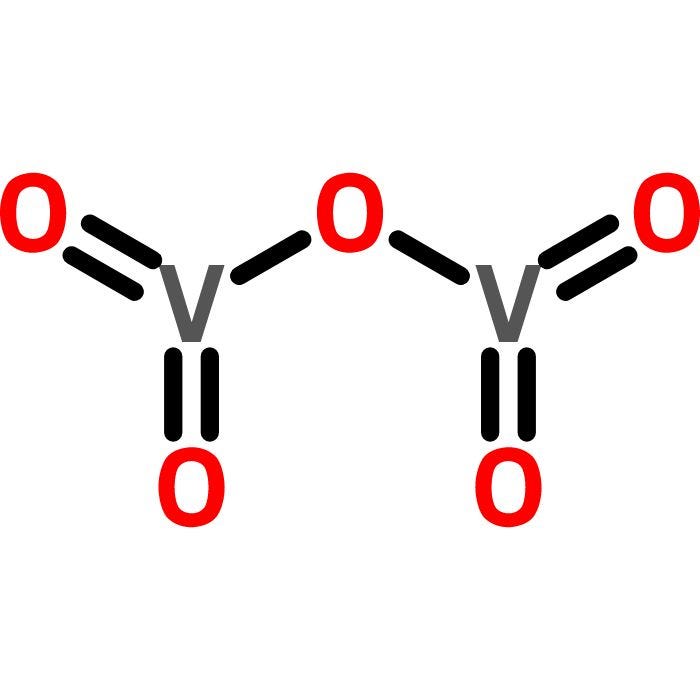
Vanadium(V) oxide (vanadia) is the inorganic compound with the formula V2O5. Commonly known as vanadium pentoxide, it is a dark yellow solid, although when freshly precipitated from aqueous solution, its colour is deep orange. Because of its high oxidation state, it is both an amphoteric oxide and an oxidizing agent. From the industrial perspective, it is the most important compound of vanadium, being the principal precursor to alloys of vanadium and is a widely used industrial catalyst.
The mineral form of this compound, shcherbinaite, is extremely rare, almost always found among fumaroles. A mineral trihydrate, V2O5·3H2O, is also known under the name of navajoite.
Preparation
Technical grade V2O5 is produced as a black powder used for the production of vanadium metal and ferrovanadium. A vanadium ore or vanadium-rich residue is treated with sodium carbonate and an ammonium salt to produce sodium metavanadate, NaVO3. This material is then acidified to pH 2–3 using H2SO4 to yield a precipitate of "red cake". The red cake is then melted at 690 °C to produce the crude V2O5.
Vanadium(V) oxide is produced when vanadium metal is heated with excess oxygen, but this product is contaminated with other, lower oxides. A more satisfactory laboratory preparation involves the decomposition of ammonium metavanadate at 500–550 °C:
2 NH4VO3 → V2O5 + 2 NH3 + H2O
Uses:
Ferrovanadium production
In terms of quantity, the dominant use for vanadium(V) oxide is in the production of ferrovanadium (see above). The oxide is heated with scrap iron and ferrosilicon, with lime added to form a calcium silicate slag. Aluminium may also be used, producing the iron-vanadium alloy along with alumina as a byproduct.
Sulfuric acid production
Another important use of vanadium(V) oxide is in the manufacture of sulfuric acid, an important industrial chemical with an annual worldwide production of 165 million tonnes in 2001, with an approximate value of US$8 billion. Vanadium(V) oxide serves the crucial purpose of catalysing the mildly exothermic oxidation of sulfur dioxide to sulfur trioxide by air in the contact process:
2 SO2 + O2 ⇌ 2 SO3
The discovery of this simple reaction, for which V2O5 is the most effective catalyst, allowed sulfuric acid to become the cheap commodity chemical it is today. The reaction is performed between 400 and 620 °C; below 400 °C the V2O5 is inactive as a catalyst, and above 620 °C it begins to break down. Since it is known that V2O5 can be reduced to VO2 by SO2, one likely catalytic cycle is as follows:
SO2 + V2O5 → SO3 + 2 VO2
followed by
2 VO2 + 1⁄2 O2 → V2O5
It is also used as catalyst in the selective catalytic reduction (SCR) of NOx emissions in some power plants and diesel engines. Due to its effectiveness in converting sulfur dioxide into sulfur trioxide, and thereby sulfuric acid, special care must be taken with the operating temperatures and placement of a power plant's SCR unit when firing sulfur-containing fuels.
Other applications
Due to its high coefficient of thermal resistance, vanadium(V) oxide finds use as a detector material in bolometers and microbolometer arrays for thermal imaging. It also finds application as an ethanol sensor in ppm levels (up to 0.1 ppm).
Vanadium redox batteries are a type of flow battery used for energy storage, including large power facilities such as wind farms. Vanadium oxide is also used as a cathode in lithium-ion batteries.
Vanadium pentoxide is often used as a component in glazes where it produces a wide range of colours from greens and yellows to blues and grays.
Additional Information
Vanadium pentoxide is used in different, industrial processes as catalyst: In the contact process it serves for the oxidation of SO2 to SO3 with oxygen at 440°C. Besides it is used in the oxidation of ethanol to ethanale and in the production of phthalic anydride, polyamide, oxalic acid and further products.
Vanadium pentoxide is a stable oxide of vanadium with an oxidation state of +5. It is extensively used as an n-type semiconductor, a cathode material in lithium batteries, and an industrial catalyst. It is also used in glass and ceramic glazes, as a steel additive, and in welding electrode coatings. Additionally, it is used as a catalyst in chemical reactions and in the manufacture of ceramics.
It appears to me that if one wants to make progress in mathematics, one should study the masters and not the pupils. - Niels Henrik Abel.
Nothing is better than reading and gaining more and more knowledge - Stephen William Hawking.
Offline
#2731 Today 00:49:35
- Jai Ganesh
- Administrator
- Registered: 2005-06-28
- Posts: 53,646
Re: Miscellany
2530) Amphibian
Gist
Amphibians are cold-blooded, vertebrate animals (possessing a backbone) that inhabit both aquatic and terrestrial environments. The name derives from Greek, meaning "living a double life" because they typically undergo metamorphosis, starting life in water with gills and developing lungs for land-based adult life.
The word amphibian was taken from the Greek “amphi” meaning “double” and “bios” meaning “life” which is quite fitting as these creatures do live a double life. Emerging from eggs that are usually laid in the water, most amphibians begin their life with gills.
Summary
Amphibians are ectothermic, anamniotic, four-limbed vertebrate animals that constitute the class Amphibia. In its broadest sense, it is a paraphyletic group encompassing all tetrapods, but excluding the amniotes (tetrapods with an amniotic membrane, such as modern reptiles, birds and mammals). All extant (living) amphibians belong to the monophyletic subclass Lissamphibia, with three living orders: Anura (frogs and toads), Urodela (salamanders), and Gymnophiona (caecilians). Evolved to be mostly semiaquatic, amphibians have adapted to inhabit a wide variety of habitats, with most species living in freshwater, wetland or terrestrial ecosystems (such as riparian woodland, fossorial and even arboreal habitats). Their life cycle typically starts out as aquatic larvae with gills known as tadpoles, but some species have developed behavioural adaptations to bypass this.
Young amphibians generally undergo metamorphosis from an aquatic larval form with gills to an air-breathing adult form with lungs. Amphibians use their skin as a secondary respiratory interface, and some small terrestrial salamanders and frogs even lack lungs and rely entirely on their skin. They are superficially similar to reptiles like lizards, but unlike reptiles and other amniotes, require access to water bodies to breed. With their complex reproductive needs and permeable skins, amphibians are often ecological indicators to habitat conditions; in recent decades there has been a dramatic decline in amphibian populations for many species around the globe.
The earliest amphibians evolved in the Devonian period from tetrapodomorph sarcopterygians (lobe-finned fish with articulated limb-like fins) that evolved primitive lungs, which were helpful in adapting to dry land. They diversified and became ecologically dominant during the Carboniferous and Permian periods, but were later displaced in terrestrial environments by early reptiles and basal synapsids (predecessors of mammals). The origin of modern lissamphibians, which first appeared during the Early Triassic, around 250 million years ago, has long been contentious. The most popular hypothesis is that they likely originated from temnospondyls, the most diverse group of prehistoric amphibians, during the Permian period. Another hypothesis is that they emerged from lepospondyls. A fourth group of lissamphibians, the Albanerpetontidae, became extinct around 2 million years ago.
The number of known amphibian species is approximately 8,000, of which nearly 90% are frogs. The smallest amphibian (and vertebrate) in the world is a frog from New Guinea (Paedophryne amauensis) with a length of just 7.7 mm (0.30 in). The largest living amphibian is the 1.8 m (5 ft 11 in) South China giant salamander (Andrias sligoi), but this is dwarfed by prehistoric temnospondyls such as Mastodonsaurus which could reach up to 6 m (20 ft) in length. The study of amphibians is called batrachology, while the study of both reptiles and amphibians is called herpetology.
Details
An amphibian is (class Amphibia), any member of the group of vertebrate animals characterized by their ability to exploit both aquatic and terrestrial habitats. The name amphibian, derived from the Greek amphibios meaning “living a double life,” reflects this dual life strategy—though some species are permanent land dwellers, while other species have a completely aquatic mode of existence.
Approximately 8,100 species of living amphibians are known. First appearing about 340 million years ago during the Middle Mississippian Epoch, they were one of the earliest groups to diverge from ancestral fish-tetrapod stock during the evolution of animals from strictly aquatic forms to terrestrial types. Today amphibians are represented by frogs and toads (order Anura), newts and salamanders (order Caudata), and caecilians (order Gymnophiona). These three orders of living amphibians are thought to derive from a single radiation of ancient amphibians, and although strikingly different in body form, they are probably the closest relatives to one another. As a group, the three orders make up subclass Lissamphibia. Neither the lissamphibians nor any of the extinct groups of amphibians were the ancestors of the group of tetrapods that gave rise to reptiles. Though some aspects of the biology and anatomy of the various amphibian groups might demonstrate features possessed by reptilian ancestors, amphibians are not the intermediate step in the evolution of reptiles from fishes.
Modern amphibians are united by several unique traits. They typically have a moist skin and rely heavily on cutaneous (skin-surface) respiration. They possess a double-channeled hearing system, green rods in their retinas to discriminate hues, and pedicellate (two-part) teeth. Some of these traits may have also existed in extinct groups.
Members of the three extant orders differ markedly in their structural appearance. Frogs and toads are tailless and somewhat squat with long, powerful hind limbs modified for leaping. In contrast, caecilians are limbless, wormlike, and highly adapted for a burrowing existence. Salamanders and newts have tails and two pairs of limbs of roughly the same size; however, they are somewhat less specialized in body form than the other two orders.
Many amphibians are obligate breeders in standing water. Eggs are laid in water, and the developing larvae are essentially free-living embryos; they must find their own food, escape predators, and perform other life functions while they continue to develop. As the larvae complete their embryonic development, they adopt an adult body plan that allows them to leave aquatic habitats for terrestrial ones. Even though this metamorphosis from aquatic to terrestrial life occurs in members of all three amphibian groups, there are many variants, and some taxa bear their young alive. Indeed, the roughly 8,100 living species of amphibians display more evolutionary experiments in reproductive mode than any other vertebrate group. Some taxa have aquatic eggs and larvae, whereas others embed their eggs in the skin on the back of the female; these eggs hatch as tadpoles or miniature frogs. In other groups, the young develop within the oviduct, with the embryos feeding on the wall of the oviduct. In some species, eggs develop within the female’s stomach.
The three living orders of amphibians vary greatly in size and structure. The presence of a long tail and two pairs of limbs of about equal size distinguishes newts and salamanders (order Caudata) from other amphibians, although members of the eel-like family Sirenidae have no hind limbs. Newts and salamanders vary greatly in length; members of the Mexican genus Thorius measure 25 to 30 mm (1 to 1.2 inches), whereas Andrias, a genus of giant aquatic salamanders endemic to China and Japan, reaches a length of more than 1.5 metres (5 feet). Frogs and toads (order Anura) are easily identified by their long hind limbs and the absence of a tail. They have only five to nine presacral vertebrae. The West African goliath frog, which can reach 30 cm (12 inches) from snout to vent and weigh up to 3.3 kg (7.3 pounds), is the largest anuran. Some of the smallest anurans include the South American brachycephalids, which have an adult snout-to-vent length of only 9.8 mm (0.4 inch), and some microhylids, which grow to 9 to 12 mm (0.4 to 0.5 inch) as adults. The long, slender, limbless caecilians (order Gymnophiona) are animals that have adapted to fossorial (burrowing) lifestyles by evolving a body segmented by annular grooves and a short, blunt tail. Caecilians can grow to more than 1 metre (3 feet) long. The largest species, Caecilia thompsoni, reaches a length of 1.5 metres (5 feet), whereas the smallest species, Idiocranium russeli, is only 90 to 114 mm (3.5 to 5 inches) long.
Distribution and abundance
Amphibians occur widely throughout the world, even edging north of the Arctic circle in Eurasia; they are absent only in Antarctica, most remote oceanic islands, and extremely xeric (dry) deserts. Frogs and toads show the greatest diversity in humid tropical environments. Salamanders primarily inhabit the Northern Hemisphere and are most abundant in cool, moist, montane forests; however, members of the family Plethodontidae, the lungless salamanders, are diverse in the humid tropical montane forests of Mexico, Central America, and northwestern South America. Caecilians are found spottily throughout the African, American, and Asian wet tropics.
For many years, habitat destruction has had a severe impact on the distribution and abundance of numerous amphibian species. Since the 1980s, a severe decline in the populations of many frog species has been observed. Although acid rain, global warming, and ozone depletion are contributing factors to these reductions, a full explanation of the disappearance in diverse environment remains uncertain. A parasitic fungus, the so-called amphibian chytrid (Batrachochytrium dendrobatidis), however, appears to be a major cause of substantial frog die-offs in parts of Australia and southern Central America and milder events in North America and Europe.
Economic importance
Amphibians, especially anurans, are economically useful in reducing the number of insects that destroy crops or transmit diseases. Frogs are exploited as food, both for local consumption and commercially for export, with thousands of tons of frog legs harvested annually. The skin secretions of various tropical anurans are known to have hallucinogenic effects and effects on the central nervous and respiratory systems in humans. Some secretions have been found to contain magainin, a substance that provides a natural antibiotic effect. Other skin secretions, especially toxins, have potential use as anesthetics and painkillers. Biochemists are currently investigating these substances for medicinal use.
Natural history:
Reproduction
The three living groups of amphibians have distinct evolutionary lineages and exhibit a diverse range of life histories. The breeding behaviour of each group is outlined below. One similar tendency among amphibians has been the evolution of direct development, in which the aquatic egg and free-swimming larval stages are eliminated. Development occurs fully within the egg capsule, and juveniles hatch as miniatures of the adult body form. Most species of lungless salamanders (family Plethodontidae), the largest salamander family, some caecilians, and many species of anurans have direct development. In addition, numerous caecilians and a few species of anurans and salamanders give birth to live young (viviparity).
Anurans display a wide variety of life histories. Centrolenids and phyllomedusine hylids deposit eggs on vegetation above streams or ponds; upon hatching, the tadpoles (anuran larvae) drop into the water where they continue to develop throughout their larval stage. Some species from the families Leptodactylidae and Rhacophoridae create foam nests for their eggs in aquatic, terrestrial, or arboreal habitats; after hatching, tadpoles of these families usually develop in water. Dendrobatids and other anurans deposit their eggs on land and transport them to water. Female hylid marsupial frogs are so called because they carry their eggs in a pouch on their backs. A few species lack a pouch and the tadpoles are exposed on the back; in some species, the female deposits her tadpoles in a pond as soon as they emerge.
Embryonic stage
Inside the egg, the embryo is enclosed in a series of semipermeable gelatinous capsules and suspended in perivitelline fluid, a fluid that also surrounds the yolk. The hatching larvae dissolve these capsules with enzymes secreted from glands on the tips of their snouts. The original yolk mass of the egg provides all nutrients necessary for development; however, various developmental stages utilize different nutrients. In early development, fats are the major energy source. During gastrulation, an early developmental stage in which the embryo consists of two cell layers, there is an increasing reliance on carbohydrates. After gastrulation, a return to fat utilization occurs. During the later developmental stages, when morphological structures form, proteins are the primary energy source. By the neurula stage, an embryonic stage in which nervous tissue develops, cilia appear on the embryo, and the graceful movement of these hairlike structures rotates the embryo within the perivitelline fluid. The larvae of direct developing and live-bearing caecilians, salamanders, and some anurans have external gills that press against the inner wall of the egg capsule, which permits an exchange of gases (oxygen and carbon dioxide) with the outside air or with maternal tissues. During development, ammonia is the principal form of nitrogenous waste, and it is diluted by a constant diffusion of water in the perivitelline fluid.
The development of limbs in the embryos of aquatic salamanders begins in the head region and proceeds in a wave down the body, and digits appear sequentially on both sets of limbs. Salamanders that deposit their eggs in streams produce embryos that develop both sets of limbs before they hatch, but salamanders that deposit their eggs in still water have embryos that develop only forelimbs before hatching. (In contrast, the limbs of anurans do not appear until after hatching.) Soon after the appearance of forelimbs, most pond-dwelling salamanders develop an ectodermal projection known as a balancer on each side of the head. These rodlike structures arise from the mandibular arch, contain nerves and capillaries, and produce a sticky secretion. They keep newly hatched larvae from sinking into the sediment and aid the salamander in maintaining its balance before its forelimbs develop. After the forelimbs appear, the balancers degenerate.
During the embryonic and early larval stages in anurans, paired adhesive organs arise from the hyoid arch, located at the base of the tongue. The sticky mucus they secrete can form a threadlike attachment between a newly hatched tadpole and the egg capsule or vegetation. Consequently, the tadpole that is still developing can remain in a stable position until it is capable of swimming and feeding on its own, after which the adhesive organs degenerate.
Larval stage
The amphibian larva represents a morphologically distinct stage between the embryo and adult. The larva is a free-living embryo. It must find food, avoid predators, and participate in all other aspects of free-living existence while it completes its embryonic development and growth. Salamander and caecilian larvae are carnivorous, and they have a morphology more like their respective adult forms than do anuran larvae. Not long after emerging from their egg capsules, larval salamanders, which have four fully developed limbs, start to feed on small aquatic invertebrates. The salamander larvae are smaller versions of adults, although they differ from their adult counterparts by the presence of external gills, a tailfin, distinctive larval dentition, a rudimentary tongue, and the absence of eyelids. Larval caecilians, also smaller models of adults, have external gills, a lateral-line system (a group of epidermal sense organs located over the head and along the side of the body), and a thin skin.
In anurans, tadpoles are fishlike when they hatch. They have short, generally ovoid bodies and long, laterally compressed tails that are composed of a central axis of musculature with dorsal and ventral fins. The mouth is located terminally (recessed), ringed with an oral disk that is often fringed by papillae and bears many rows of denticles made of keratin. Tadpoles often have horny beaks. Their gills are internal and covered by an operculum. Water taken in through the mouth passes over the gills and is expelled through one or more spiracular openings on the side of an opercular chamber. Anuran larvae are microphagous and thus feed largely on bacteria and algae that coat aquatic plants and debris.
Salamander larvae usually reach full size within two to four months, although they may remain larvae for two to three years before metamorphosis occurs. Some large aquatic species, such as the hellbender (Cryptobranchus alleganiensis) and the mud puppy (Necturus maculosus), never fully metamorphose and retain larval characteristics as adults (see below heterochrony). Tadpole development varies in length between species. Some anuran species living in xeric (dry) habitats, in which ephemeral ponds may exist for only a few weeks, develop and metamorphose within two to three weeks; however, most species require at least two months. Species living in cold mountain streams or lakes often require much more time. For example, the development of the tailed frog (Ascaphus truei) takes three years to complete.
Metamorphosis
Metamorphosis entails an abrupt and thorough change in an animal’s physiology and biochemistry, with concomitant structural and behavioral modifications. These changes mark the transformation from embryo to juvenile and the completion of development. Hormones ultimately control all events of larval growth and metamorphosis, and in many instances, development is accompanied by a shift from a fully aquatic life to a semiaquatic or fully terrestrial one.
Although salamanders undergo many structural modifications, these changes are not dramatic. The skin thickens as dermal glands develop and the caudal fin is resorbed. Gills are resorbed and gill slits close as lungs develop and branchial (gill) circulation is modified. Eyelids, tongue, and a maxillary bone are formed, and teeth develop on the maxillary and parasphenoid bones. Changes that occur in caecilians—the closure of the gill slit, the degeneration of the caudal fin, and the development of a tentacle and skin glands—are also minor.
Skeletal changes are much more dramatic in anurans because tadpoles make an abrupt and radical transition to their adult form. Limbs complete their development, and the forelimbs break through the opercular wall, early in metamorphosis. The tail shrinks as it is resorbed by the body, dermal glands develop, and the skin becomes thicker. As lungs and pulmonary ventilation develop, gills and their associated blood circulation disappear. Adult mouthparts replace their degenerating larval equivalents, and hyolaryngeal structures develop. All anurans except pipids (family Pipidae) develop a tongue. In the newly differentiated digestive tract, the intestine is shortened. The eyes become larger and are structurally altered; eyelids appear. These extreme changes of anuran metamorphosis clearly demarcate the shift from an aquatic to a terrestrial mode of life. Other less obvious yet nonetheless radical modifications of the larval skull and hyobranchial apparatus (that is, the part of the skeleton that serves as base for the tongue on the floor of the mouth) occur to make room for newly developed sense organs. These modifications also facilitate the transition from larval modes of feeding and respiration to those of the adult.
During metamorphosis, the urogenital system of all amphibians is also modified. A mesonephric or opisthonephric kidney—which uses nephrons located either in the middle or at the end of the nephric ridge in the developing embryo—replaces the degenerating rudimentary pronephric kidney. This transition is linked to the shift from production of a large volume of dilute ammonia to a small amount of concentrated urea. Gonads and associated ducts also appear and begin their maturation.
Heterochrony
Neoteny, once a widely used label for the condition of sexually mature larvae, has been discontinued by biologists and replaced by the concept of heterochrony. Heterochrony refers to the change in the timing and rate of developmental events, and it is a widespread feature in amphibian evolution, particularly in salamanders. During development, a structure can begin to develop sooner (predisplacement) or later (postdisplacement) in an organism than it occurred in the ancestral species or parents. Also, a structure may continue to develop beyond the previous embryological sequence (hypermorphosis) or the developmental sequence can stop earlier than normal (progenesis or hypomorphosis). Each of these heterochronic events can produce a structurally or functionally different organism.
The classical “neotenic” salamander, the axolotl (Ambystoma mexicanum), is a paedomorphic species (that is, a species that retains aspects of its juvenile form during its adult phase); it retains its larval gills. In the mole salamander (Ambystoma talpoideum), some populations also display hypomorphic development in which the development of several larval traits to the adult condition is delayed. Since the gonads mature, a population of sexually mature salamanders with a larval morphology is produced. Heterochrony also explains the presence of larval traits in adults of the salamander families Cryptobranchidae (hellbenders) and Proteidae (olms and mud puppies).
Heterochrony is not confined to salamanders. The different sized eardrums in the American bullfrog (Lithobates catesbeianus) are examples of hypermorphism in male bullfrogs. The development of the eardrums in the male extends beyond that of the female.
Life cycle
Many amphibians have a biphasic life cycle involving aquatic eggs and larvae that metamorphose into terrestrial or semiaquatic juveniles and adults. Commonly, they deposit large numbers of eggs in water; clutches of the tiger salamander (Ambystoma tigrinum) may exceed 5,000 eggs, and large bullfrogs (L. catesbeianus) may produce clutches of 45,000 eggs. Egg size and water temperature are important factors that influence an embryo’s development time. Eggs of many anuran species laid in warm water require only one or two days to develop, whereas eggs deposited in cold mountain lakes or streams may not hatch for 30 to 40 days. The development of salamander eggs often requires more time, with hatching occurring 20 to 270 days after fertilization.
Food and feeding
Adult amphibians consume a wide variety of foods. Earthworms are the main diet of burrowing caecilians, whereas anurans and salamanders feed primarily on insects and other arthropods. Large salamanders and some large anurans eat small vertebrates, including birds and mammals. Most anurans and salamanders locate prey by sight, although some use their sense of smell. The majority of salamanders and diurnal (that is, active during daylight) terrestrial anurans are active foragers, but many other anurans employ a sit-and-wait technique. Caecilians locate their underground prey with a chemosensory tentacle and capture their quarry with a powerful bite (see chemoreception). Aquatic salamanders lunge at their prey with an open mouth and appear to drag the victim in by expanding their buccal (oral) cavity. The terrestrial lunged salamander extends its sticky tongue, which is attached anteriorly to the floor of the mouth, to ensnare a meal. In lungless salamanders, the hyobranchial apparatus is not part of the process of buccal respiration; this apparatus is modified so that it can project the tongue from the mouth. The end of the tongue is sticky to adhere to prey, and prey can be captured at distances ranging from 40 to 80 percent of the salamander’s body length.
Primitive anurans have feeding mechanisms that resemble those of the typical terrestrial salamanders. More advanced anurans employ a “lingual flip,” in which the surfaces of the retracted tongue are twisted and inverted in the fully extended tongue. The pipids, which are completely aquatic, are unique among anurans; they lack a tongue and thus must essentially drag food and water into their mouth.
Form and function:
Common features
Although the structure of the muscular, skeletal, and other anatomical systems are specifically modified for each group, amphibians are often set apart from other groups of animals by their characteristic skin, or integument, and evolutionary advances in vision and hearing.
The circulatory and respiratory systems work with the integument to provide cutaneous respiration. A broad network of cutaneous capillaries facilitates gas exchange and the diffusion of water and ions between the animal and the environment. Several species of salamanders and at least one species of frog (Barbourula kalimantanensis) are lungless. Amphibians also employ various combinations of branchial and pulmonary strategies to breathe. The buccal pump mechanism, which involves the pushing of air between the lungs and the closed mouth, is present in amphibians and some groups of fishes.
In addition to its roles in respiration and maintaining water balance, the integument of amphibians contains poison glands that release toxins. Specific toxins are found only in amphibians and are used to defend against predators.
The eye of the modern amphibian (or lissamphibian) has a lid, associated glands, and ducts. It also has muscles that allow its accommodation within or on top of the head, depth perception, and true colour vision. These adaptations are regarded as the first evolutionary improvements in vertebrate terrestrial vision. Green rods in the retina, which permit the perception of a wide range of wavelengths, are found only in lissamphibians.
The amphibian auditory system is also specially adapted. One modification is the papilla amphibiorum, a patch of sensory tissues that is sensitive to low-frequency sound. Also unique to lissamphibians is the columella-opercular complex, a pair of elements associated with the auditory capsule that transmit airborne (columella) or seismic (operculum) signals.
Structural differences
The environment helps to mold the morphology of an organism. The markedly different structural forms of the three living orders demonstrate that each group has had a long, separate evolutionary history.
Salamanders
Salamanders have less-specialized morphologies than do the other two orders. They have small heads and long slender bodies made up of four limbs and a tail. Although the skulls of most terrestrial salamanders consist of more individual pieces than do those of either caecilians or anurans, they are arched, narrow, and not well roofed. These skulls have an extra set of articulations with the vertebral column, a characteristic that may have been an evolutionary strategy for stabilizing the head on the axial skeleton (vertebral column) in terrestrial salamanders; other amphibians developed a specialized trunk musculature to meet this challenge.
The hyoid apparatus in the floor of the mouth enables salamanders to capture prey by projecting their fleshy tongues from the buccal cavity, although most are only able to roll their tongues forward over their lower jaws to snare their dinner. Food is held and manipulated in the buccal cavity by the teeth and tongue. This mechanism does not require adaptations to the mandibular and jaw muscles or sturdy, specialized teeth—features that most salamanders lack. Well-developed eyes and nasal organs, however, are needed to locate prey. Because salamanders do not depend on their vocal abilities, their auditory apparatus is less specialized than that of anurans.
Most salamander species have a generalized mode of locomotion, which is reflected by a lack of specialization in the musculoskeletal system. Salamanders walk methodically and move the limbs in the standard diagonal-sequence gait of quadrupeds. Aquatic salamanders show the greatest divergence from this generalized morphological pattern. Because they are kept afloat by their aquatic environment, they are often larger, devoid of limbs, and swim via the lateral undulation of the trunk and tail.
Caecilians
Of the three living amphibian orders, caecilians show the least divergence in structure and form. All caecilians, except for a few aquatic species, lead subterranean existences and thus have similar specialized morphologies. They have a wormlike appearance, with compact and bony heads in which the centres of ossification have fused to provide a strong, spadelike braincase. While useful in tunneling through the soil, this compact cranium does not allow much room for the jaw muscles to develop. Thus, the lower jaw is attached to the main adductor muscle of the jaw by a retroarticular process outside the cranium, and the caecilian cannot extend its tongue from the buccal cavity.
Vision, of little importance in the caecilian’s environment, is not acute; however, the nasal organs are well developed, and chemosensory perception is greatly enhanced by the existence of a tentacle (see chemoreception). The sense of hearing is probably less sensitive than that of salamanders or anurans. If the operculum (a feature analogous to auditory stapes) is present, it is incorporated into the columella (the rod made of bone or cartilage connecting the tympanic membrane with the internal ear).
Subterranean movement and feeding are aided by alterations of the axial musculoskeletal system. The overlying skin is attached to the axial muscles, and this creates a tough sheath that encases the long, muscular body and covers the posterior part of the skull. Caecilians move through soil by a process called concertina locomotion, in which the body alternately folds and extends itself along its entire length, often occurring within the envelope of skin as well as by flexures of the entire body.
Anurans
Anurans are more widespread, diverse, and numerous than either salamanders or caecilians. Anurans display a broader range of specialization in locomotion, feeding, and reproduction in their adaptation to many different environments and lifestyles. In general, anurans have a broad, flat head—which is almost as wide as their body—and a short trunk that, aside from the sacral area, is relatively inflexible. Long, powerful hind limbs propel the fused head and trunk in a forward trajectory. These leaping movements require more complex pectoral and pelvic girdles than that of salamanders. The pectoral girdle is designed to absorb the shock of the anuran as it lands on its forelimbs; an elastic, muscular suspension connecting the pectoral girdle to the skull and vertebral column provides this ability. The pelvic girdle horizontally flanks the coccyx, the bony rod at the posterior end of the vertebral column. Muscles and ligaments attach the pelvic girdle to the coccyx, sacrum, presacral vertebrae, and proximal part of the hind limb. Thus, when the animal jumps, the pelvic girdle lies in the same plane as the axial column, and, when the animal sits, the posterior end of the girdle is deflected ventrally.
In addition to the specializations for leaping, many anurans have developed structures that allow them to burrow or climb trees. These structures primarily involve modifications in limb proportions and iliosacral articulation. Arboreal (tree-dwelling) anurans have long limbs and digits with large, terminal, adhesive pads; anurans that burrow have short sturdy limbs and large spatulate tubercles made of keratin on their feet. The pipids, specialized for their aquatic environment, have little flexibility in their axial skeletons and instead propel their flat, fused bodies through the water with powerful hind limbs and large, fully webbed feet.
Anurans depend on their visual acumen for feeding and locomotion, and hence the eyes of most species are large and well developed. Because vocalizing is part of their mating and territorial behaviour, their ears are also well developed. Most species have an external tympanum (eardrum), a structure that is absent in salamanders and caecilians.
Additional Information
Amphibians are a class of cold-blooded vertebrates made up of frogs, toads, salamanders, newts, and caecilians (wormlike animals with poorly developed eyes). All amphibians spend part of their lives in water and part on land, which is how they earned their name—“amphibian” comes from a Greek word meaning “double life.” These animals are born with gills, and while some outgrow them as they transform into adults, others retain them for their entire lives.
Amphibians are the most threatened class of animals in nature. They are extremely susceptible to environmental threats because of their porous eggs and semipermeable skin. Every major threat, from climate change to pollution to disease, affects amphibians and has put them at serious risk.
Amphibians live part of their lives in water and part on land. They are vertebrates and are also ectothermic; they cannot regulate their own body heat, so they depend on sunlight to become warm and active. Amphibians also can't cool down on their own, so if they get too hot, they have to find a burrow or some other shade. In cold weather, amphibians tend to be sluggish and do not move around much.
Metamorphosis
Young amphibians do not look like their parents. Generally called larvae, they change in body shape, diet, and lifestyle as they develop, a process called metamorphosis. A frog is a good example, starting out as a tadpole with gills to breathe underwater and a tail to swim with. As the young frog gets older, it develops lungs, legs, and a different mouth. Its eyes also change position, and it loses its tail. At this point it is an adult frog and spends most of its time hopping on land rather than swimming like a fish in the water.
Moist is Best
Most amphibians have soft, moist skin that is protected by a slippery secretion of mucus. They also tend to live in moist places or near water to keep their bodies from drying out. Many adult amphibians also have poison-producing glands in their skin, which make them taste bad to predators and might even poison a predator that bites or swallows them. Some of these amphibians, like poison frogs, are brightly colored as a warning: Don't eat me, or you'll be sorry!
Three Groups
There are about 5,500 known amphibian species, divided into three main groups: salamanders and newts, caecilians, and frogs and toads. The largest amphibian is the Chinese giant salamander at nearly 6 feet (1.8 meters) and 140 pounds (63 kilograms), and the smallest is the gold frog at 0.39 inches (1 centimeter) long.

It appears to me that if one wants to make progress in mathematics, one should study the masters and not the pupils. - Niels Henrik Abel.
Nothing is better than reading and gaining more and more knowledge - Stephen William Hawking.
Offline