Math Is Fun Forum
You are not logged in.
- Topics: Active | Unanswered
- Index
- » Science HQ
- » Malaria
Pages: 1
#1 2026-03-17 16:00:11
- Jai Ganesh
- Administrator

- Registered: 2005-06-28
- Posts: 53,933
Malaria
Malaria
Gist
Malaria is a severe, often fatal, disease caused by Plasmodium parasites transmitted through the bites of infected female Anopheles mosquitoes, primarily in tropical regions. Symptoms include high fever, shivering chills, headache, and fatigue. It is preventable and curable, but requires prompt diagnosis and treatment.
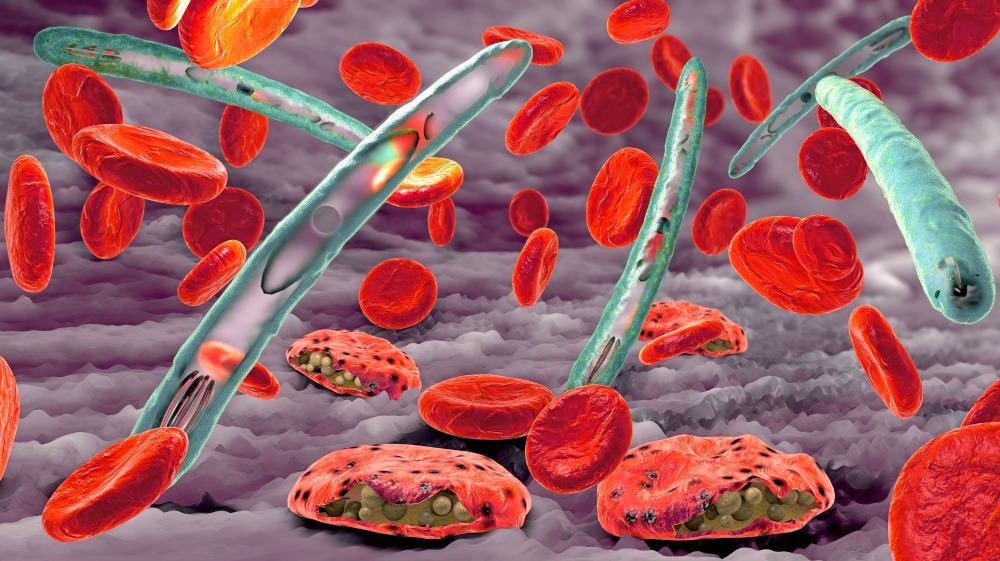
Malaria is caused by single-celled Plasmodium parasites, which are transmitted to humans through the bite of an infected female Anopheles mosquito. When an infected mosquito bites a person, the parasites enter the bloodstream, travel to the liver to mature, and subsequently infect red blood cells, causing symptoms.
Summary
Malaria is a mosquito-borne infectious disease which is transmitted by the bite of Anopheles mosquitoes. Human malaria causes symptoms that typically include fever, fatigue, vomiting, and headaches; in severe cases, it can cause jaundice, seizures, coma, or death. Symptoms usually begin 10 to 15 days after being bitten by an infected Anopheles mosquito. If not properly treated, people may have recurrences of the disease months later. Those who survive an infection develop partial immunity, being susceptible to reinfection although with milder symptoms. This partial resistance disappears over months to years if the person has no continuing exposure to malaria.
Malaria is caused by single-celled parasites of the genus Plasmodium, generally spread through the bites of an infected female Anopheles mosquito. The mosquito bite introduces the parasites from the mosquito's saliva into the blood. The parasites initially reproduce and mature in the liver without causing symptoms. After a few days the mature parasites spread into the bloodstream, where they infect and destroy red blood cells, causing the symptoms of infection. Five species of Plasmodium commonly infect humans. The three species associated with more severe cases are P. falciparum (which is responsible for the vast majority of malaria deaths), P. vivax, and P. knowlesi (a simian malaria that spills over into thousands of people a year). P. ovale and P. malariae generally cause a milder form of malaria. Malaria is typically diagnosed by the microscopic examination of blood using blood films, or with antigen-based rapid diagnostic tests. Methods that use the polymerase chain reaction to detect the parasite's DNA have been developed, but they are not widely used in areas where malaria is common, due to their cost and complexity.
The risk of disease can be reduced by preventing mosquito bites through the use of mosquito nets and insect repellents or with mosquito-control measures such as spraying insecticides and draining standing water. Several prophylactic medications are available to prevent malaria in areas where the disease is common. As of 2023, two malaria vaccines have been endorsed by the World Health Organization. Resistance among the parasites has developed to several antimalarial medications; for example, chloroquine-resistant P. falciparum has spread to most malaria-prone areas, and resistance to artemisinin has become a problem in some parts of Southeast Asia. Because of this, drug treatment for malaria infection should be tailored to best fit the Plasmodium species involved and the geographical location where the infection was acquired.
The disease is widespread in the tropical and subtropical regions that exist in a broad band around the equator. This includes much of sub-Saharan Africa, Asia, and Latin America. In 2023, some 263 million cases of malaria worldwide resulted in an estimated 597,000 deaths. Around 95% of the cases and deaths occurred in sub-Saharan Africa. Malaria is commonly associated with poverty and has a significant negative effect on economic development; in Africa, it is estimated to result in economic losses (estimated at US$12 billion a year in 2005) due to increased healthcare costs, lost ability to work, and adverse effects on tourism.
Details
Malaria is a potentially life-threatening illness caused by parasites. You get it through the bite of an infected mosquito. It’s most common in parts of the world that are hot and humid, like Africa and parts of Asia. It can cause flu-like symptoms that can progress to severe illness if not treated.
What Is Malaria?
Malaria is a disease you get from being bitten by a mosquito. Some mosquitoes carry tiny parasites. They can infect you with the parasites when they bite you. Malaria can cause severe illness and death if left untreated. Kids under 5 are more likely to get life-threatening illness. Malaria is most common in tropical areas where it’s hot and humid. Most cases happen in Africa. It’s rare in the U.S. See a healthcare provider right away if you live in or have traveled to an area where malaria spreads and you have symptoms. This is true even if you’ve taken medications to prevent malaria during your trip.
Symptoms and Causes:
Symptoms of malaria
Symptoms of malaria can be mild to severe. They often start as flu-like symptoms and can get worse. They include:
* Fever
* Chills
* Headache
* Muscle aches
* Fatigue
* Difficulty breathing
* Diarrhea, nausea or vomiting
* Seizures
* Yellowing of your skin or whites of your eyes (jaundice)
* Dark or bloody pee
Malaria symptoms usually appear several days to a month after you’re infected. Some people don’t feel sick for a year or longer after the mosquito bite.
Malaria causes
Plasmodium parasites cause malaria. There are five types that can infect humans. Plasmodium falciparum (P. falciparum) and Plasmodium vivax (P. vivax) are the most common. P. falciparum often causes severe illness.
How do you get malaria?
A mosquito gets the parasitic infection when it bites someone who’s infected. The mosquito then bites you and spreads the infection. The parasite multiplies in your liver and spreads to your bloodstream. There, it can spread to other people if a mosquito bites you. Rarely, malaria can also spread through:
* Pregnancy or childbirth (vertical transmission)
* Blood transfusions
* Organ donations
* Sharing needles
Risk factors
You’re at a higher risk of getting malaria if you live in or travel to areas where it spreads, like parts of Africa. You’re at a higher risk of serious illness and death if you:
* Are younger than 5
* Are pregnant
* Have a weakened immune system
* Don’t have access to healthcare
What countries have malaria?
Malaria is most common in areas with warm temperatures and high humidity, including:
* Africa
* Central and South America
* Dominican Republic, Haiti and other areas in the Caribbean
* Islands in the Central and South Pacific Ocean (Oceania)
* South and Southeast Asia
Complications of malaria
If left untreated, malaria can cause severe complications. These include:
* Blocked blood vessels in your brain (cerebral malaria)
* Coma
* Organ failure
These complications can be fatal.
Diagnosis and Tests:
How doctors diagnose malaria
Healthcare providers test a sample of your blood to diagnose malaria. They’ll look for Plasmodium parasites and identify what type of infection you have. Your provider will use this information to determine the right treatment. It’s important to tell your provider if you’ve traveled within the past year so they know to test for malaria.
Management and Treatment:
How is malaria treated?
Healthcare providers treat malaria with medications that kill the parasite (antimalarial medications). The type of antimalarial medication your provider treats you with depends on:
* Where you were infected — you’re more likely to get drug-resistant infections in certain parts of the world
* The type of Plasmodium causing the infection
* How sick you are
* Whether you’re pregnant or breastfeeding
* Your age
Medications can cure malaria, but it’s important to start treating it as soon as possible.
Antimalarial drugs
Antimalarial medications kill the Plasmodium parasites. You might receive them in an IV or take them by mouth. They include:
* Artemether-lumefantrine
* Atovaquone-proguanil
* Chloroquine or hydroxychloroquine
* Doxycycline, tetracycline or clindamycin
* Mefloquine
* Quinine
* Primaquine
* Tafenoquine
You might receive one or a combination of these. Take all medications as prescribed, even if you start to feel better.
When should I see my healthcare provider?
See a healthcare provider right away if you’ve traveled to or live in a country where malaria is common and you have symptoms. Early diagnosis gives you the best chance for a full recovery.
Outlook / Prognosis:
What can I expect if I have malaria?
Antimalarial medications can cure malaria, especially if started early. You might need to stay at the hospital, at least to start your treatment. Treatment can last for about two weeks, but you might start feeling better in a few days. Let your provider know if you aren’t feeling better or if your symptoms get worse. Sometimes, even after treatment, malaria infections can come back (recur). This happens when the parasite isn’t completely killed by treatment. It can stay in your body without causing symptoms. You can start having symptoms again years after your initial infection and treatment. Medications like primaquine and tafenoquine make this less likely to happen. You can get malaria again, even if you’ve had it before.
Prevention:
Can you prevent malaria?
There are a few ways to reduce your risk of getting and spreading malaria:
* Preventive medications: If you’re traveling to an area where malaria is common, your healthcare provider might prescribe antimalarial medications for you to take before, during and after your stay. If you get malaria while on an antimalarial drug, providers will give you a different medication to treat it.
* Mosquito bite prevention: Wear bug spray with DEET, cover as much skin as possible with clothing, sleep under mosquito netting and take other precautions to avoid getting bitten.
* Vaccination: Public health officials recommend vaccinating against malaria for children who live in areas where infections are common. They’re not currently recommended for travelers.
Additional Information:
Overview
Malaria is a disease caused by a parasite. The parasite is spread to humans through the bites of infected mosquitoes. People who have malaria usually feel very sick with a high fever and shaking chills.
While the disease is uncommon in temperate climates, malaria is still common in tropical and subtropical countries. Each year nearly 290 million people are infected with malaria, and more than 400,000 people die of the disease.
To reduce malaria infections, world health programs distribute preventive drugs and insecticide-treated bed nets to protect people from mosquito bites. The World Health Organization has recommended a malaria vaccine for use in children who live in countries with high numbers of malaria cases.
Protective clothing, bed nets and insecticides can protect you while traveling. You also can take preventive medicine before, during and after a trip to a high-risk area. Many malaria parasites have developed resistance to common drugs used to treat the disease.
Symptoms
Signs and symptoms of malaria may include:
* Fever
* Chills
* General feeling of discomfort
* Headache
* Nausea and vomiting
* Diarrhea
* Abdominal pain
* Muscle or joint pain
* Fatigue
* Rapid breathing
* Rapid heart rate
* Cough
Some people who have malaria experience cycles of malaria "attacks." An attack usually starts with shivering and chills, followed by a high fever, followed by sweating and a return to normal temperature.
Malaria signs and symptoms typically begin within a few weeks after being bitten by an infected mosquito. However, some types of malaria parasites can lie dormant in your body for up to a year.
When to see a doctor
Talk to your doctor if you experience a fever while living in or after traveling to a high-risk malaria region. If you have severe symptoms, seek emergency medical attention.
Complications
Malaria can be fatal, particularly when caused by the plasmodium species common in Africa. The World Health Organization estimates that about 94% of all malaria deaths occur in Africa — most commonly in children under the age of 5.
Malaria deaths are usually related to one or more serious complications, including:
* Cerebral malaria. If parasite-filled blood cells block small blood vessels to your brain (cerebral malaria), swelling of your brain or brain damage may occur. Cerebral malaria may cause seizures and coma.
* Breathing problems. Accumulated fluid in your lungs (pulmonary edema) can make it difficult to breathe.
* Organ failure. Malaria can damage the kidneys or liver or cause the spleen to rupture. Any of these conditions can be life-threatening.
* Anemia. Malaria may result in not having enough red blood cells for an adequate supply of oxygen to your body's tissues (anemia).
* Low blood sugar. Severe forms of malaria can cause low blood sugar (hypoglycemia), as can quinine — a common medication used to combat malaria. Very low blood sugar can result in coma or death.
Malaria may recur
Some varieties of the malaria parasite, which typically cause milder forms of the disease, can persist for years and cause relapses.
Prevention
If you live in or are traveling to an area where malaria is common, take steps to avoid mosquito bites. Mosquitoes are most active between dusk and dawn. To protect yourself from mosquito bites, you should:
* Cover your skin. Wear pants and long-sleeved shirts. Tuck in your shirt, and tuck pant legs into socks.
* Apply insect repellent to skin. Use an insect repellent registered with the Environmental Protection Agency on any exposed skin. These include repellents that contain DEET, picaridin, IR3535, oil of lemon eucalyptus (OLE), para-menthane-3,8-diol (PMD) or 2-undecanone. Do not use a spray directly on your face. Do not use products with oil of lemon eucalyptus (OLE) or p-Menthane-3,8-diol (PMD) on children under age 3.
* Apply repellent to clothing. Sprays containing permethrin are safe to apply to clothing.
* Sleep under a net. Bed nets, particularly those treated with insecticides, such as permethrin, help prevent mosquito bites while you are sleeping.
Preventive medicine
If you'll be traveling to a location where malaria is common, talk to your doctor a few months ahead of time about whether you should take drugs before, during and after your trip to help protect you from malaria parasites.
In general, the drugs taken to prevent malaria are the same drugs used to treat the disease. What drug you take depends on where and how long you are traveling and your own health.
Vaccine
The World Health Organization has recommended a malaria vaccine for use in children who live in countries with high numbers of malaria cases.
Researchers are continuing to develop and study malaria vaccines to prevent infection.
It appears to me that if one wants to make progress in mathematics, one should study the masters and not the pupils. - Niels Henrik Abel.
Nothing is better than reading and gaining more and more knowledge - Stephen William Hawking.
Offline
Pages: 1
- Index
- » Science HQ
- » Malaria