Math Is Fun Forum
You are not logged in.
- Topics: Active | Unanswered
Pages: 1
#1 2026-03-15 18:02:43
- Jai Ganesh
- Administrator

- Registered: 2005-06-28
- Posts: 53,904
Magnesium Hydroxide
Magnesium Hydroxide
Gist
Magnesium hydroxide, with the molecular formula Mg(OH)2, is an inorganic compound used as an antacid to relieve indigestion and a saline laxative to treat occasional constipation. Common side effects include diarrhea, abdominal cramping, and nausea. It works by neutralizing stomach acid and drawing water into the intestines to soften stool.
Magnesium hydroxide is used to treat occasional constipation in children and adults on a short-term basis. Magnesium hydroxide is in a class of medications called saline laxatives. It works by causing water to be retained with the stool.
Summary
Naturally, it occurs in the form of a mineral brucite and is a common compound found in antacids. The chemical formula of Magnesium hydroxide is Mg(OH)2.
Uses of Magnesium hydroxide (Mg(OH)2)
* Magnesium hydroxide is an excellent thermal conductor and poor electrical conductor.
* It is used in suspensions as a laxative or antacid.
* Used as a food additive.
* It is widely used in waste-water treatment.
* Used as a fire retardant.
* It is used in wet plate collodion process as a photographic fixer.
* It is used in gold mining.
* Used in warehouses.
Effects on Health
Flushing or drowsiness are side effects of magnesium hydroxide. Consuming this compound on a daily basis can result in electrolyte disturbances. Excessive use can result in nausea, diarrhoea, and abdominal cramping. Symptoms include watery diarrhoea or gastrointestinal irritation may occur. Poisoning causes hypomagnesemia which includes symptoms such as: vomiting, hypotension, confusion, muscle weakness, cardiac arrhythmias, Cardiac arrest, nausea, flushing, thirst, drowsiness, loss of tendon reflexes, respiratory depression, and coma.
Frequently Asked Questions – FAQs
Q1: What is magnesium hydroxide used for?
A1. Magnesium hydroxide is used to soothe chronic constipation as a laxative. Magnesium hydroxide is also used as an antacid to treat indigestion, heartburn and acidic stomach
Q2: Is Milk of Magnesia the same as magnesium?
A2: Magnesia milk can reduce constipation and improve heartburn and indigestion. Magnesium milk is sometimes referred to as magnesium hydroxide which is its chemical name. Magnesia milk is available to purchase without a prescription over the counter.
Q3: Is magnesium hydroxide a precipitate?
A3: Mg(OH)2 is given partial precipitation with NH4OH by the magnesium ion (Mg2+). Mg(OH)2 is very sparsely soluble in water but is readily soluble in solutions of ammonium salts. Zirconium hydroxide is precipitated by the solutions NH4OH and NaOH.
Q4: What is the pH value of magnesium hydroxide?
A4: The base is magnesium hydroxide. It has approximately a pH of 10. Magnesium hydroxide is usually called magnesium milk.
Q5: Is magnesium hydroxide a weak base?
A5: Unlike lime, it is also much more difficult to treat magnesium hydroxide than it is caustic (NaOH). At neutral pH levels and higher, magnesium hydroxide is nearly insoluble in water. Keeping this in mind, mag has little to no effect on water alkalinity above 7.0 pH.
Details
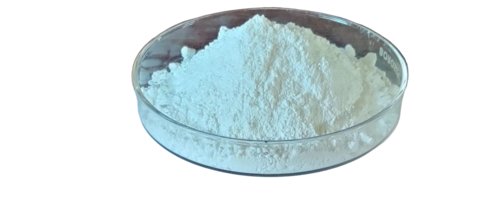
Magnesium hydroxide is an inorganic compound with the chemical formula Mg(OH)2. It occurs in nature as the mineral brucite. It is a white solid with low solubility in water.
Magnesium hydroxide is a common component of antacids, such as milk of magnesia.
Uses:
Precursor of MgO
Most Mg(OH)2 that is produced industrially, as well as the small amount that is mined, is converted to fused magnesia (MgO). Magnesia is valuable because it is both a poor electrical conductor and an excellent thermal conductor.
Medical
Only a small amount of the magnesium from magnesium hydroxide is usually absorbed by the intestine (unless one is deficient in magnesium). However, magnesium is mainly excreted by the kidneys; so long-term, daily consumption of milk of magnesia by someone suffering from kidney failure could lead in theory to hypermagnesemia. Unabsorbed magnesium is excreted in feces; absorbed magnesium is rapidly excreted in urine.
Applications:
Antacid
As an antacid, magnesium hydroxide is dosed at approximately 0.5–1.5 g in adults and works by simple neutralization, in which the hydroxide ions from the Mg(OH)2 combine with acidic H+ ions (or hydronium ions) produced in the form of hydrochloric acid by parietal cells in the stomach, to produce water.
Laxative
As a laxative, magnesium hydroxide is dosed at 5–10 grams (0.18–0.35 oz), and works in a number of ways. First, Mg2+ is poorly absorbed from the intestinal tract, so it draws water from the surrounding tissue by osmosis. Not only does this increase in water content to soften the feces, it also increases the volume of feces in the intestine (intraluminal volume) which naturally stimulates intestinal motility. Furthermore, Mg2+ ions cause the release of cholecystokinin (CCK), which results in intraluminal accumulation of water and electrolytes, and increased intestinal motility. Some sources claim that the hydroxide ions themselves do not play a significant role in the laxative effects of milk of magnesia, as alkaline solutions (i.e., solutions of hydroxide ions) are not strongly laxative, and non-alkaline Mg2+ solutions, like MgSO4, are equally strong laxatives, mole for mole.
Additional Information
Magnesium hydroxide suspension is a laxative that treats occasional constipation. Constipation occurs when bowel movements become less frequent and stools become difficult to pass. You can take this liquid medication by mouth after measuring each dose in a specially marked spoon or container.
What is this medication?
Magnesium Hydroxide treats occasional constipation. It works by increasing the amount of water your intestine absorbs. This softens the stool, making it easier to have a bowel movement. It also increases pressure, which prompts the muscles in your intestines to move stool. It belongs to a group of medications called laxatives.
This medicine may be used for other purposes; ask your health care provider or pharmacist if you have questions.
What should I tell my care team before I take this medication?
They need to know if you have any of these conditions:
* Bowel, intestinal, or stomach disease
* Change in bowel habits for more than 14 days
* Kidney disease
* Low magnesium diet
* Nausea, vomiting
* Stomach pain or blockage
* An unusual or allergic reaction to magnesium hydroxide, other medications, foods, dyes, or preservatives
* Pregnant or trying to get pregnant
* Breast-feeding
How should I use this medication?
Take this medication by mouth. Follow the directions on the package or prescription label. Shake well before using. Use a specially marked spoon or dropper to measure each dose. Ask your pharmacist if you do not have one. Household spoons are not accurate. After taking this medication, drink a full glass of water. Take your medication at regular intervals. Do not take your medication more often than directed.
Talk to your care team about the use of this medication in children. While this medication may be used in children for selected conditions, precautions do apply.
Overdosage: If you think you have taken too much of this medicine contact a poison control center or emergency room at once.
NOTE: This medicine is only for you. Do not share this medicine with others.
What if I miss a dose?
If you miss a dose, take it as soon as you can. If it is almost time for your next dose, take only that dose. Do not take double or extra doses.
What may interact with this medication?
* Antibiotics, such as ciprofloxacin or tetracycline
* Digoxin
* Iron supplements
* Thyroid hormones, such as levothyroxine
This medication may affect how well your body can absorb other medications. Talk to your care team about when to take your medications to avoid this problem.
This list may not describe all possible interactions. Give your health care provider a list of all the medicines, herbs, non-prescription drugs, or dietary supplements you use. Also tell them if you smoke, drink alcohol, or use illegal drugs. Some items may interact with your medicine.
What should I watch for while using this medication?
Tell your care team if your symptoms do not start to get better or if they get worse. Do not treat yourself for constipation with this medication for more than 1 week. See your care team if you have black tarry stools, rectal bleeding, or if you feel unusually tired. Do not change to another laxative product without advice.
If you are taking other medications, leave an interval of at least 2 hours before or after taking this medication.
To help reduce constipation, drink several glasses of water a day.
What side effects may I notice from receiving this medication?
Side effects that you should report to your care team as soon as possible:
* Allergic reactions—skin rash, itching, hives, swelling of the face, lips, tongue, or throat
* High magnesium level—confusion, drowsiness, facial flushing, redness, sweating, muscle weakness, fast or irregular heartbeat, trouble breathing
Side effects that usually do not require medical attention (report to your care team if they continue or are bothersome):
* Diarrhea
* Stomach cramping
This list may not describe all possible side effects. Call your doctor for medical advice about side effects. You may report side effects to FDA at 1-800-FDA-1088.
Where should I keep my medication?
Keep out of the reach of children.
Store at room temperature between 15 and 30 degrees C (59 and 86 degrees F). Do not freeze. Protect from light and moisture. Throw away any unused medication after the expiration date.
It appears to me that if one wants to make progress in mathematics, one should study the masters and not the pupils. - Niels Henrik Abel.
Nothing is better than reading and gaining more and more knowledge - Stephen William Hawking.
Offline
Pages: 1