Math Is Fun Forum
You are not logged in.
- Topics: Active | Unanswered
Pages: 1
#1 2026-03-12 17:09:44
- Jai Ganesh
- Administrator

- Registered: 2005-06-28
- Posts: 53,933
Tooth Decay
Tooth Decay
Gist
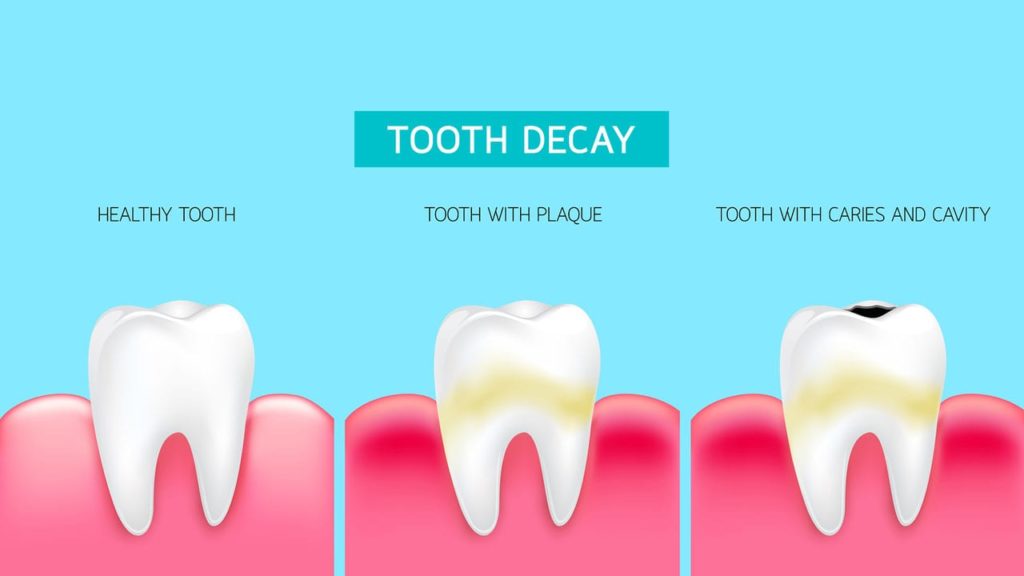
Tooth decay (dental caries) is the destruction of tooth enamel caused by acids from plaque-forming bacteria feeding on sugars. Key symptoms include toothaches, sensitivity, and white/brown stains. Treatments include fluoride, fillings, crowns, or root canals. It progresses through demineralization, enamel decay, dentin decay, and pulp damage.
Tooth decay is caused by bacteria in your mouth feeding on sugars and starches, producing acids that wear down tooth enamel, forming cavities. Poor dental hygiene allows plaque (a sticky film of bacteria and food debris) to build up, and frequent snacking on sugary/starchy foods creates more acid attacks, leading to enamel erosion and holes in the teeth.
Summary
Tooth decay, also known as caries, is the breakdown of teeth due to acids produced by bacteria. The resulting dental cavities may be many different colors, from yellow to black. Symptoms may include pain and difficulty eating. Complications may include inflammation of the tissue around the tooth, tooth loss and infection or abscess formation. Tooth regeneration is an ongoing stem cell–based field of study that aims to find methods to reverse the effects of decay; current methods are based on easing symptoms.
The cause of cavities is acid from bacteria dissolving the hard tissues of the teeth (enamel, dentin, and cementum). The acid is produced by the bacteria when they break down food debris or sugar on the tooth surface. Simple sugars in food are these bacteria's primary energy source, and thus a diet high in simple sugar is a risk factor. If mineral breakdown is greater than buildup from sources such as saliva, caries results. Risk factors include conditions that result in less saliva, such as diabetes mellitus, Sjögren syndrome, and some medications. Medications that decrease saliva production include psychostimulants, antihistamines, and antidepressants. Dental caries are also associated with poverty, poor cleaning of the mouth, and receding gums resulting in exposure of the roots of the teeth.
Prevention of dental caries includes regular cleaning of the teeth, a diet low in sugar, and small amounts of fluoride. Brushing one's teeth twice per day, and flossing between the teeth once a day is recommended. Fluoride may be acquired from water, salt or toothpaste among other sources. Treating a mother's dental cavities may decrease the risk in her children by decreasing the number of certain bacteria she may spread to them. Screening can result in earlier detection. Depending on the extent of destruction, various treatments can be used to restore the tooth to proper function, or the tooth may be removed. There is no known method to grow back large amounts of tooth. The availability of treatment is often poor in the developing world. Paracetamol (acetaminophen) or ibuprofen may be taken for pain.
Worldwide, approximately 3.6 billion people (48% of the population) have dental caries in their permanent teeth as of 2016. The World Health Organization estimates that nearly all adults have dental caries at some point in time. In baby teeth it affects about 620 million people or 9% of the population. They have become more common in both children and adults in recent years. The disease is most common in the developed world due to greater simple sugar consumption, but less common in the developing world. Caries is Latin for "rottenness".
Details
Tooth decay is the breakdown or destruction of tooth enamel, the hard outer surface of a tooth. Tooth decay can lead to cavities, also called dental caries. These are holes in the teeth. Cavities can get bigger with time if left untreated. A cavity can reach deep within a tooth, where the nerve endings are, leading to pain and sensitivity.
What causes tooth decay in a child?
Tooth decay is caused by bacteria and other things. It can happen when foods containing carbohydrates (sugars and starches) are left on the teeth. Such foods include milk, soda, raisins, candy, cake, fruit juices, cereals, and bread. Bacteria that normally live in the mouth change these foods, making acids. The combination of bacteria, food, acid, and saliva form a substance called plaque that sticks to the teeth. Over time, the acids made by the bacteria eat away at the tooth enamel, causing cavities.
Which children are at risk for tooth decay?
* All children have bacteria in their mouth. So all children are at risk for tooth decay. But the following may raise your child’s risk for it:
* High levels of the bacteria that cause cavities
* A diet high in sugars and starches
* Water supply that has limited or no fluoride in it
* Poor oral hygiene
* Less saliva flow than normal
What are the symptoms of tooth decay in a child?
Tooth decay may be a bit different for each child. Here is a common way that teeth develop decay and cavities:
* White spots begin to form on the teeth in areas affected. These spots mean that the enamel is starting to break down. They may lead to early sensitivity in the teeth.
* An early cavity is seen on the tooth. It has a light brown color.
* The cavity becomes deeper. It turns a darker shade of brown to black.
The symptoms of tooth decay and cavities vary from child to child. Cavities don’t always cause symptoms. Sometimes children don’t know they have a cavity until their dentist finds it. But your child may feel:
* Pain in the area around the tooth
* Sensitivity to certain foods, such as sweets and hot or cold drinks
How is tooth decay diagnosed in a child?
Your child’s dentist can often diagnose tooth decay based on:
* A complete history of your child
* An exam of your child’s mouth (oral cavity)
* Dental X-rays
How is tooth decay treated in a child?
Treatment will depend on your child’s symptoms, age, oral hygiene, and general health. It will also depend on how severe the condition is.
For children, some early tooth decay may be managed with conservative methods such as removal of plaque, cleansing the dental decay, remineralizing the teeth, use of supplemental fluoride, and dental sealants.
In most cases, treatment will require removing the decayed part of the tooth and replacing it with a filling. Fillings are materials placed in teeth to repair damage caused by tooth decay. They are also called restorations. There are different types of fillings:
* Direct restorations. These need a single visit to place a filling directly into a prepared hole. These fillings may be made out of silver, fine glass powders, acrylic acids, or resin. They are often tooth-colored.
* Indirect restorations. These may require 2 or more visits. They include inlays, onlays, veneers, crowns, and bridges. These are constructed with gold, base metal alloys, ceramics, or composites. Many of these materials can look like natural tooth enamel.
How can I help prevent tooth decay in my child?
You can help prevent tooth decay in your child with these simple steps:
* Start brushing your child’s teeth as soon as the first tooth appears. Brush the teeth, tongue, and gums for 2 minutes twice a day with a fluoride toothpaste. Or watch as your child brushes their teeth.
* For children younger than 3 years old, use only a small amount of toothpaste, about the size of a grain of rice. Starting at age 3, your child can use a pea-sized amount of toothpaste.
* Floss your child’s teeth daily after age 2.
* Make sure your child eats a well-balanced diet. Limit snacks that are sticky and high in sugars. These include chips, candy, cookies, cake, and soda drinks.
* Prevent the transfer of bacteria from your mouth to your child's. Don't share eating utensils. And don’t clean your baby’s pacifier with your saliva.
* If your child uses a bottle at bedtime, only put water in it. Juice and formula contain sugars that can lead to tooth decay.
* Talk with your child’s healthcare provider or dentist about using a fluoride supplement if you live in an area without fluoridated water. Also, ask about dental sealants and fluoride varnish. Both are put on the teeth.
* Schedule routine dental cleanings and exams for your child every 6 months.
Key points about tooth decay in children
* Tooth decay is the breakdown of tooth enamel. It can lead to holes in the teeth called cavities or dental caries.
* Tooth decay is caused by bacteria in the mouth. These bacteria make a sticky substance called plaque that can eat away at a tooth’s enamel.
* Poor oral hygiene can raise your child’s risk for tooth decay.
* A dentist can diagnose tooth decay with an exam and X-rays.
* Treatment may require removing the decayed part of the tooth and replacing it with a filling.
Additional Information
Cavities are holes, or areas of tooth decay, that form in your teeth surfaces. Causes include plaque buildup, eating lots of sugary snacks and poor oral hygiene. Treatments include dental fillings, root canal therapy and tooth extraction. The sooner you treat a cavity, the better your chance for a predictable outcome and optimal oral health.
Overview:
What is a cavity?
A cavity is a hole in a tooth that develops from tooth decay. Cavities form when acids in your mouth wear down (erode) your tooth’s hard outer layer (enamel). Anyone can get a cavity. Proper oral hygiene and regular dental cleanings can prevent cavities.
Another name for tooth cavities is dental caries.
Types of cavities
Cavities can start on any tooth surface. Here are common types of cavities and where they occur:
* Smooth surface: This slow-growing cavity dissolves tooth enamel. You can prevent it — and sometimes reverse it — with proper oral hygiene. People in their 20s often develop this form of tooth decay between their teeth.
* Pit and fissure decay: Cavities form on the top part of your tooth’s chewing surface. Decay also can affect the front side of your back teeth. Pit and fissure decay tends to start during the teenage years and progresses quickly.
* Root decay: Adults who have receding gums are more prone to root decay. Gum recession exposes your teeth roots to dental plaque and acid. Root decay is difficult to prevent and treat. (If you’re prone to gum recession, ask your dentist if you should schedule an appointment with a periodontist.)
How common are cavities?
More than 80% of Americans have at least one cavity by the time they enter their mid-30s. Cavities are one of the most common chronic diseases affecting people of all ages.
Who might get a cavity?
Tooth decay can happen at any age, although cavities are more common in children. This is because many children don’t brush properly or regularly enough and they tend to consume more sugary foods and drinks.
Many adults also get cavities. Sometimes, new decay develops around the edges of cavities treated in childhood. Adults are also more likely to have receding gums. This condition exposes your teeth roots to plaque, which can cause cavities.
Symptoms and Causes:
What are the signs of cavities?
Tooth decay on the outer enamel surface doesn’t usually cause pain or symptoms. You’re more likely to experience symptoms as decay reaches beyond the enamel into the dentin and pulp.
Cavity symptoms include:
* Bad breath or a bad taste in your mouth.
* Bleeding gums or other signs of gum disease.
* Facial swelling.
* Toothache or mouth pain.
* Tooth sensitivity to hot or cold foods or drinks.
Tooth decay stages
Cavities can affect all layers of your tooth.
There are five main tooth decay stages:
1. Demineralization: During this first stage, you may notice small, white, chalky spots on your tooth. This is due to the breakdown of minerals in your tooth enamel.
2. Enamel decay: Left untreated, tooth decay progresses and continues to break down your enamel. At this point, cavities (holes) may become noticeable. White spots may turn to a light brownish color.
3. Dentin decay: Dentin is the layer just beneath your tooth enamel. It’s much softer than your enamel. So, once plaque and bacteria reach this layer, cavities form faster. At this stage, you may notice teeth sensitivity. The spots on your teeth may also turn to a darker brown.
4. Pulp damage: Your tooth pulp is the innermost layer of your tooth. It contains nerves and blood vessels that transport nutrients and keep your tooth alive. When cavities reach your pulp, you may feel pain. You may also start to notice redness and swelling in the gums around your tooth. The spots on your tooth may turn darker brown or black.
5. Abscessed tooth: Left untreated, a deep cavity can cause infection. This results in a pocket of pus that forms at the tip of your tooth root (periapical abscess). Symptoms may include pain that radiates into your jaw or face. You may also develop facial swelling and swollen lymph nodes in your neck. At this point, a tooth abscess can spread to surrounding tissues and other areas of your body. In rare cases, infection can even spread to your brain or to your bloodstream (sepsis).
What causes cavities?
Many factors play a role in the development of cavities.
Here’s how it works:
* Bacteria in your mouth feed on sugary, starchy foods and drinks (fruit, candy, bread, cereal, sodas, juice and milk). The bacteria convert these carbohydrates into acids.
* Bacteria, acid, food and saliva mix to form dental plaque. This sticky substance coats your teeth.
* Without proper brushing and flossing, acids in plaque dissolve tooth enamel, creating cavities, or holes, in the enamel surface.
What are the risk factors for cavities?
Certain factors increase your risk of cavities, including:
* Dry mouth (xerostomia). Certain conditions (like Sjögren’s syndrome), or medications (like antidepressants) can make you more likely to develop dry mouth.
* Consuming sugary, starchy foods or drinks and snacking between meals.
* Family history of tooth decay.
* Gum recession.
* Previous radiation therapy to treat head and neck cancer.
Are cavities contagious?
While you can’t “catch” a cavity, the bacteria that cause cavities can pass from one person to another. In turn, any bacteria you pick up from another person (from kissing, for instance) can lead to tooth decay and other oral health issues over time.
Diagnosis and Tests:
How are cavities diagnosed?
Twice-a-year dental checkups are the best way to catch cavities early, before they worsen or grow larger. A dentist will use a number of instruments to examine your teeth. A tooth with a cavity will feel softer when your dentist probes it.
Your dentist may also take dental X-rays. These images show cavities before the decay is visible.
Management and Treatment:
How do you get rid of cavities?
Tooth decay treatment depends on the severity of your condition.
Cavity treatments include:
* Fluoride.
* Fillings.
* Root canal therapy.
* Tooth extraction.
* Fluoride
In the very early stages of tooth decay, fluoride treatments can repair damaged enamel — a process called remineralization. This can reverse the early signs of cavities. You may need prescription toothpaste and mouthwash, as well as fluoride treatments at the dental office.
Dental fillings
Once a hole forms in your tooth, a dentist drills out the decayed tissue and fills the hole. Dental fillings consist of composite resin (a tooth-colored material), silver amalgam or gold.
Root canal therapy
Root canal therapy relieves pain from advanced tooth decay. Endodontists (specialists who treat issues that affect a tooth’s root) usually perform the procedure. During root canal treatment, an endodontist removes the tooth pulp, then fills the canals and pulp chamber with gutta-percha (a special filling material). In some cases, you might also need a dental crown to strengthen the affected tooth.
Tooth extraction
If root canal therapy isn’t possible, your healthcare provider may recommend tooth extraction (pulling the tooth). You may need a dental bridge or dental implant to replace a pulled permanent tooth. Your dentist can tell you about your specific options.
Outlook / Prognosis:
What can I expect if I have cavities?
When tooth decay goes untreated for too long, you can lose a large portion of your tooth and need an extraction. Advanced tooth decay can lead to a severe infection inside your tooth and under your gums (tooth abscess). This infection can spread throughout your body. Rarely, infection from a tooth abscess can be fatal.
What’s the outlook for people with cavities?
Most people with cavities don’t experience any long-term problems. Because cavities develop slowly, it’s important to get regular dental checkups. Fluoride treatments can stop tooth decay in its early stages. Once tooth decay advances to the root, you risk losing the tooth or developing a painful abscess (infection).
It appears to me that if one wants to make progress in mathematics, one should study the masters and not the pupils. - Niels Henrik Abel.
Nothing is better than reading and gaining more and more knowledge - Stephen William Hawking.
Offline
Pages: 1